

Weight management
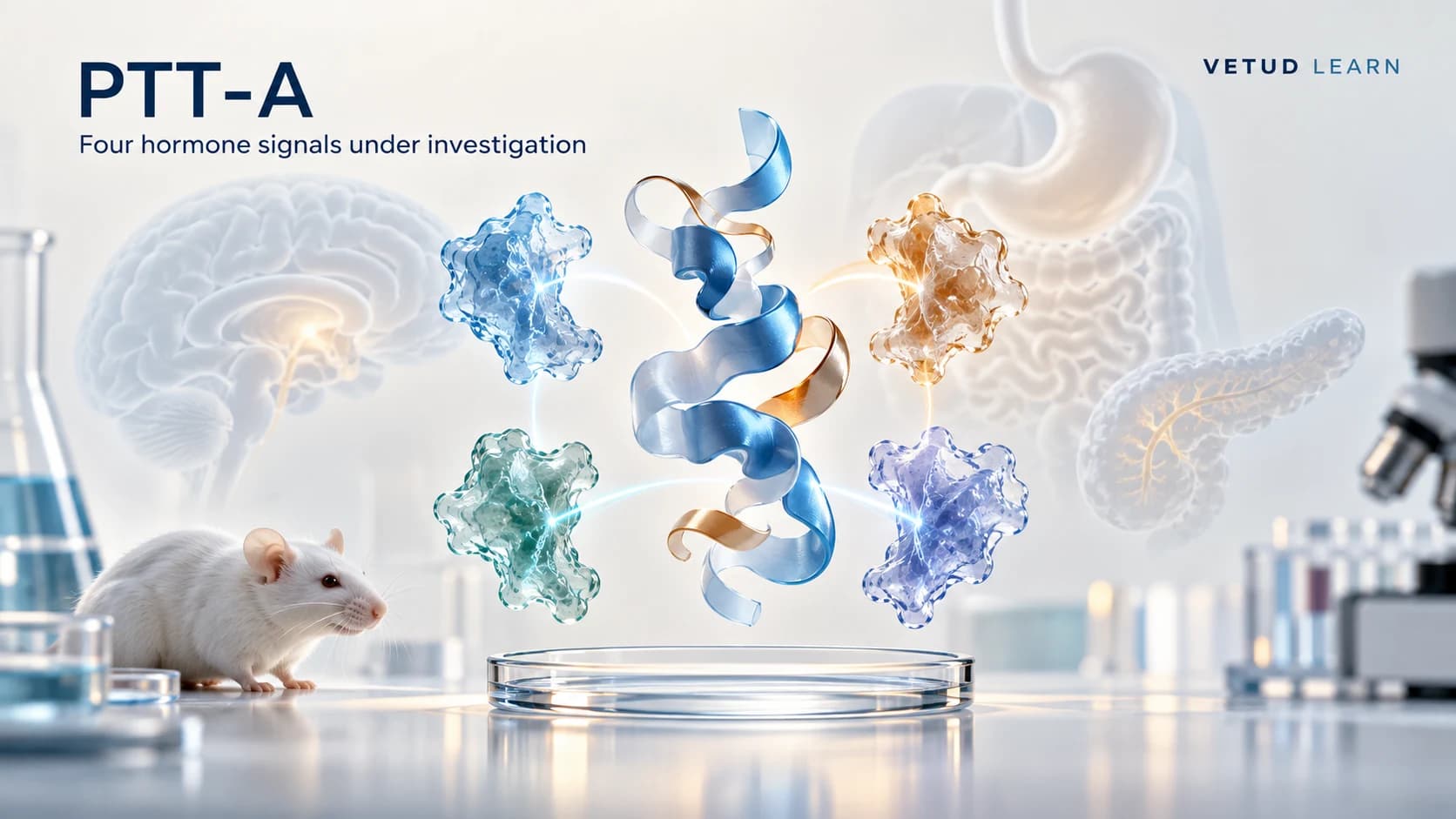
PTT-A
Experimental peptide tetra-agonist
An experimental peptide targeting four hormone receptors. Its weight and muscle findings are from animals so far.
Early research
VETUD / Education
Plain-language guides to 42 peptides and related compounds, from approved medicines to early research. What they are, what studies found, how far they’ve got, and what’s still unknown.
All peptide guides: 42
Weight management
Experimental peptide tetra-agonist
An experimental peptide targeting four hormone receptors. Its weight and muscle findings are from animals so far.
Weight management
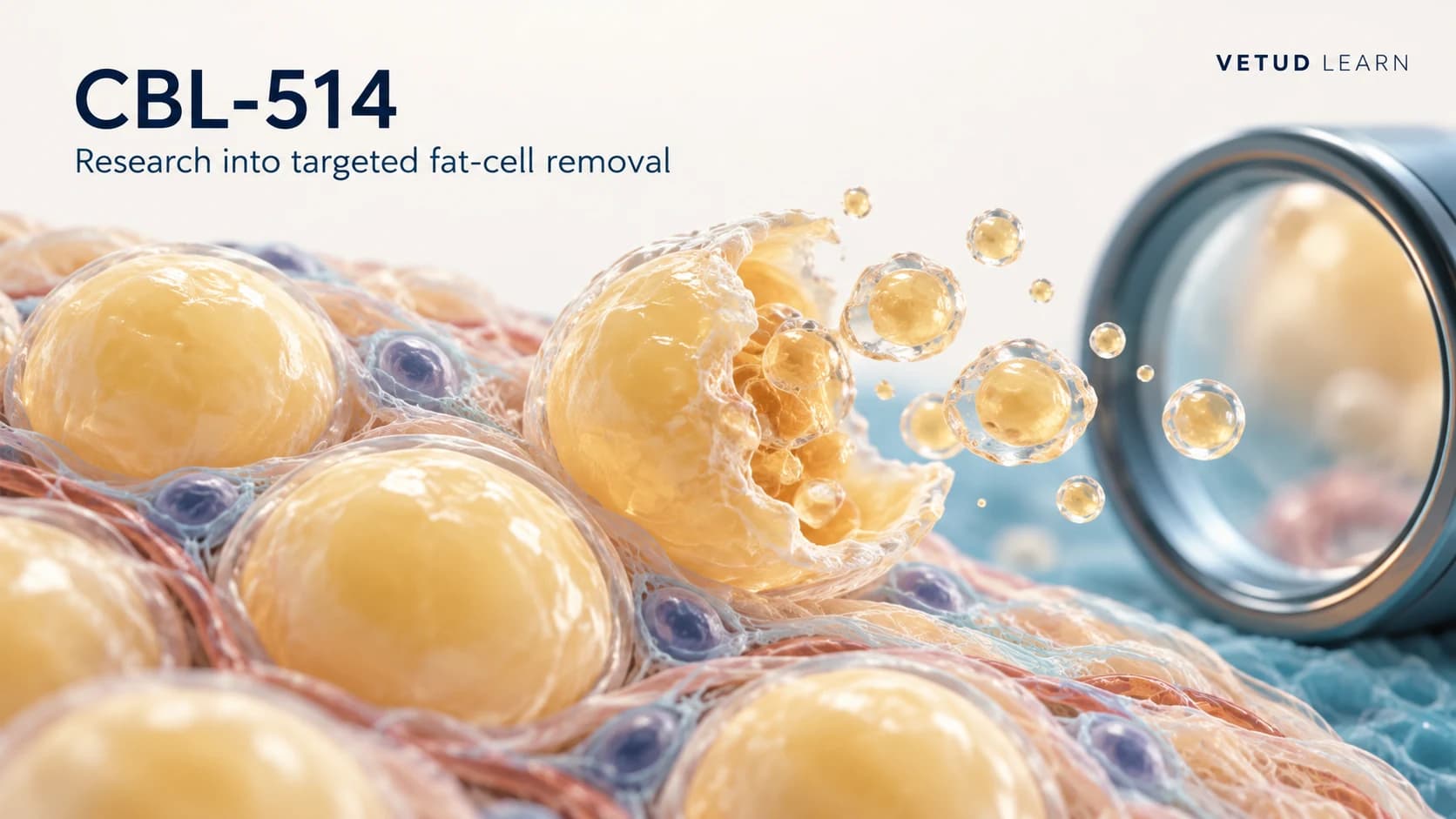
A small molecule, not a peptide, studied for reducing local fat deposits by triggering fat-cell death.
Weight management
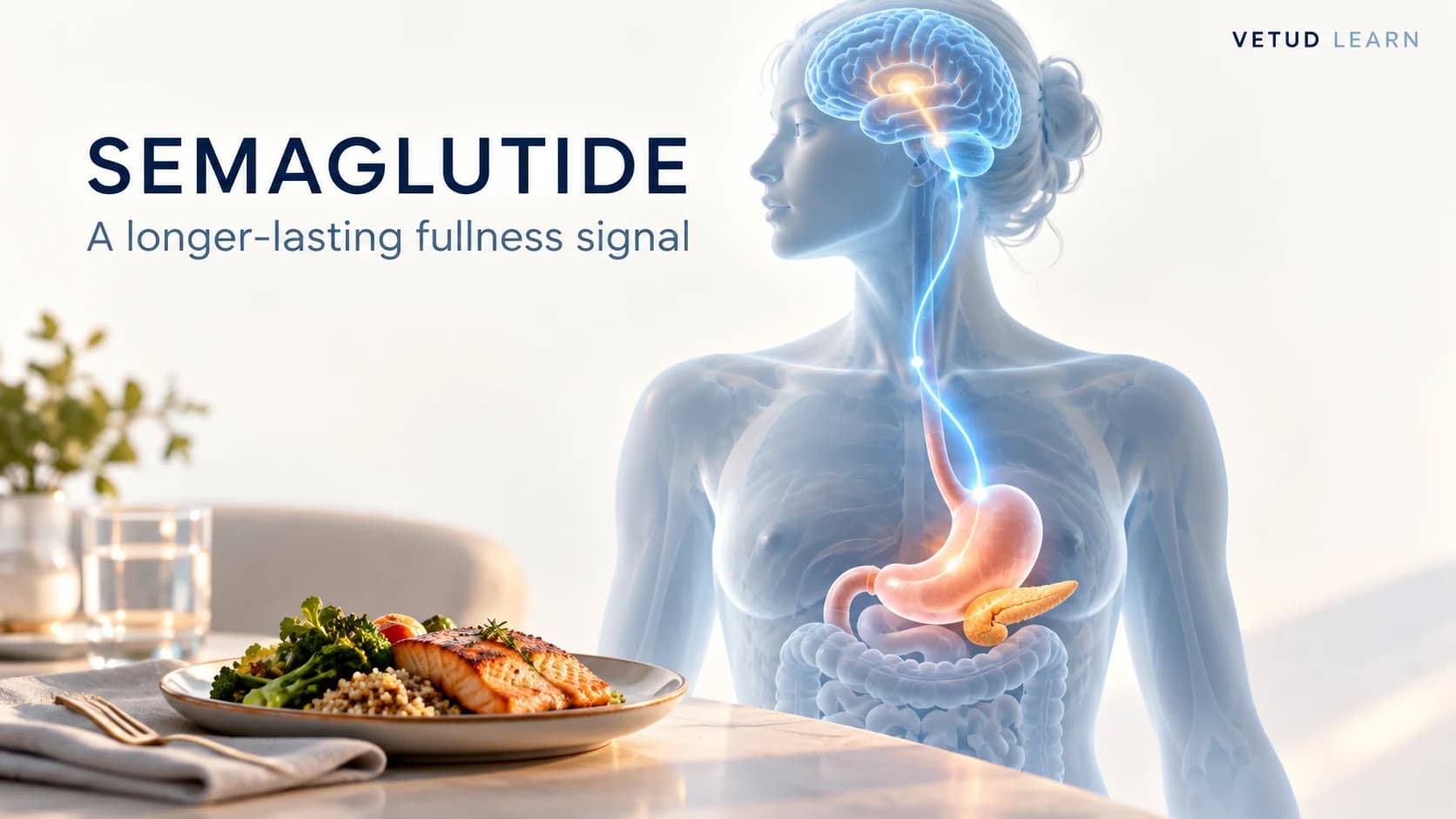
Ozempic, Wegovy, Rybelsus
A copy of a gut hormone that makes you feel full. One of the most studied weight-loss medicines in the world.
Weight management
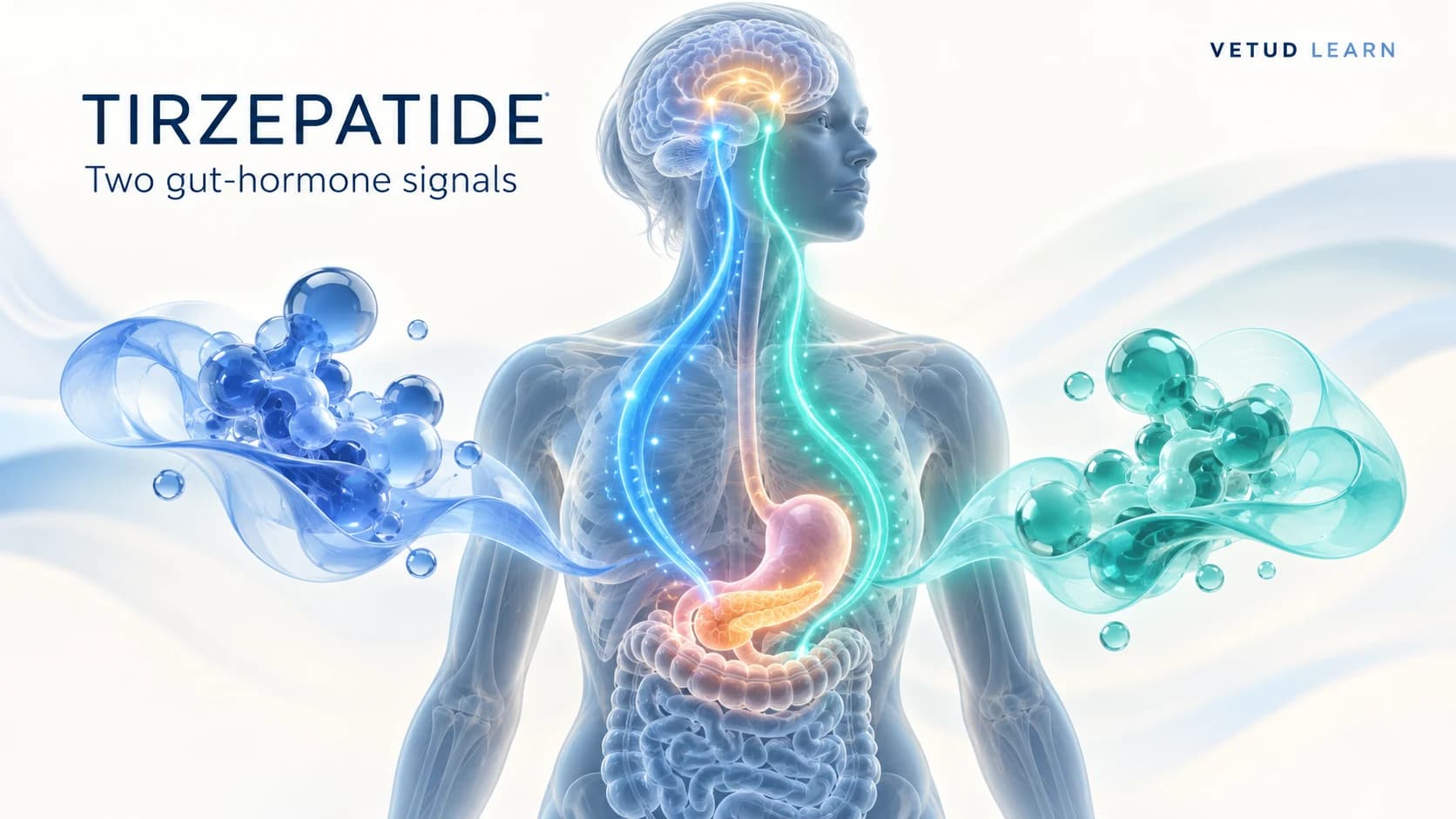
Mounjaro, Zepbound
Works on two gut hormones at once, GLP-1 and GIP. In trials it led to some of the biggest weight losses seen with an approved medicine.
Weight management
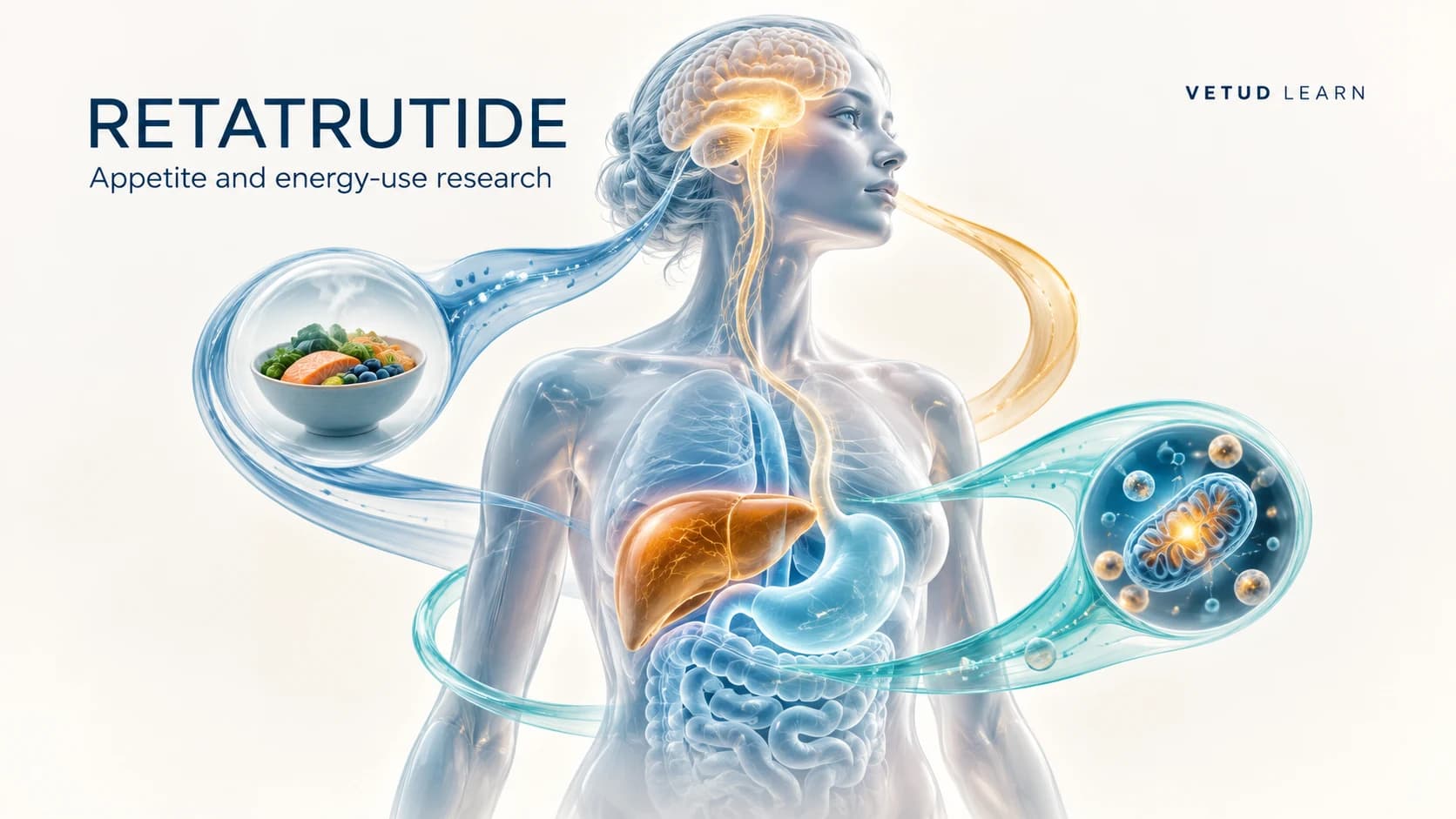
LY3437943, often called “triple G”
An experimental “triple” hormone medicine that has produced some of the largest weight losses ever seen in a drug trial.
Weight management
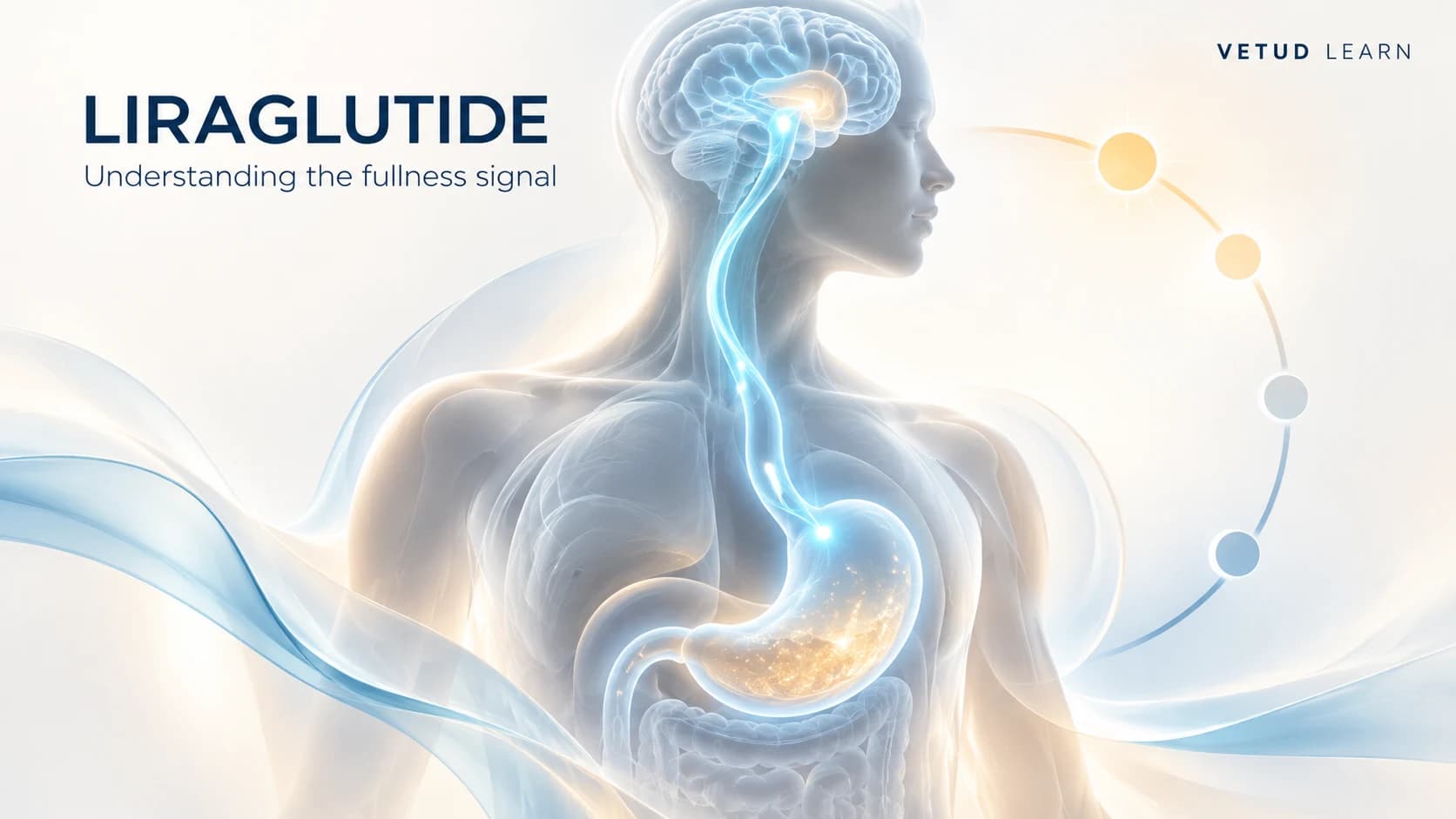
Victoza, Saxenda
The older, once-a-day cousin of semaglutide, and the first GLP-1 medicine approved for weight management.
Weight management
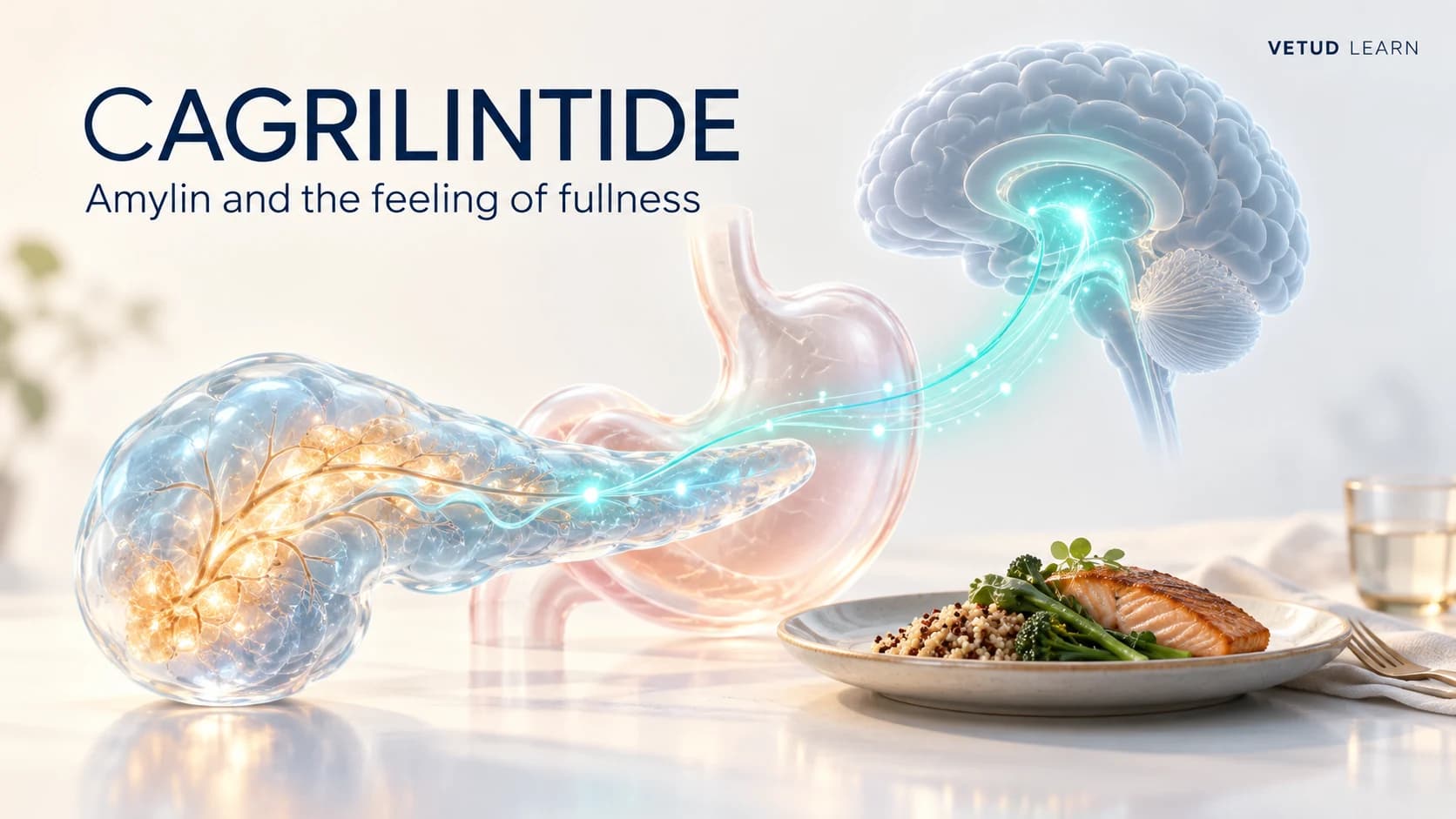
Half of CagriSema
A copy of amylin, a fullness hormone, being developed alongside semaglutide.
Weight management
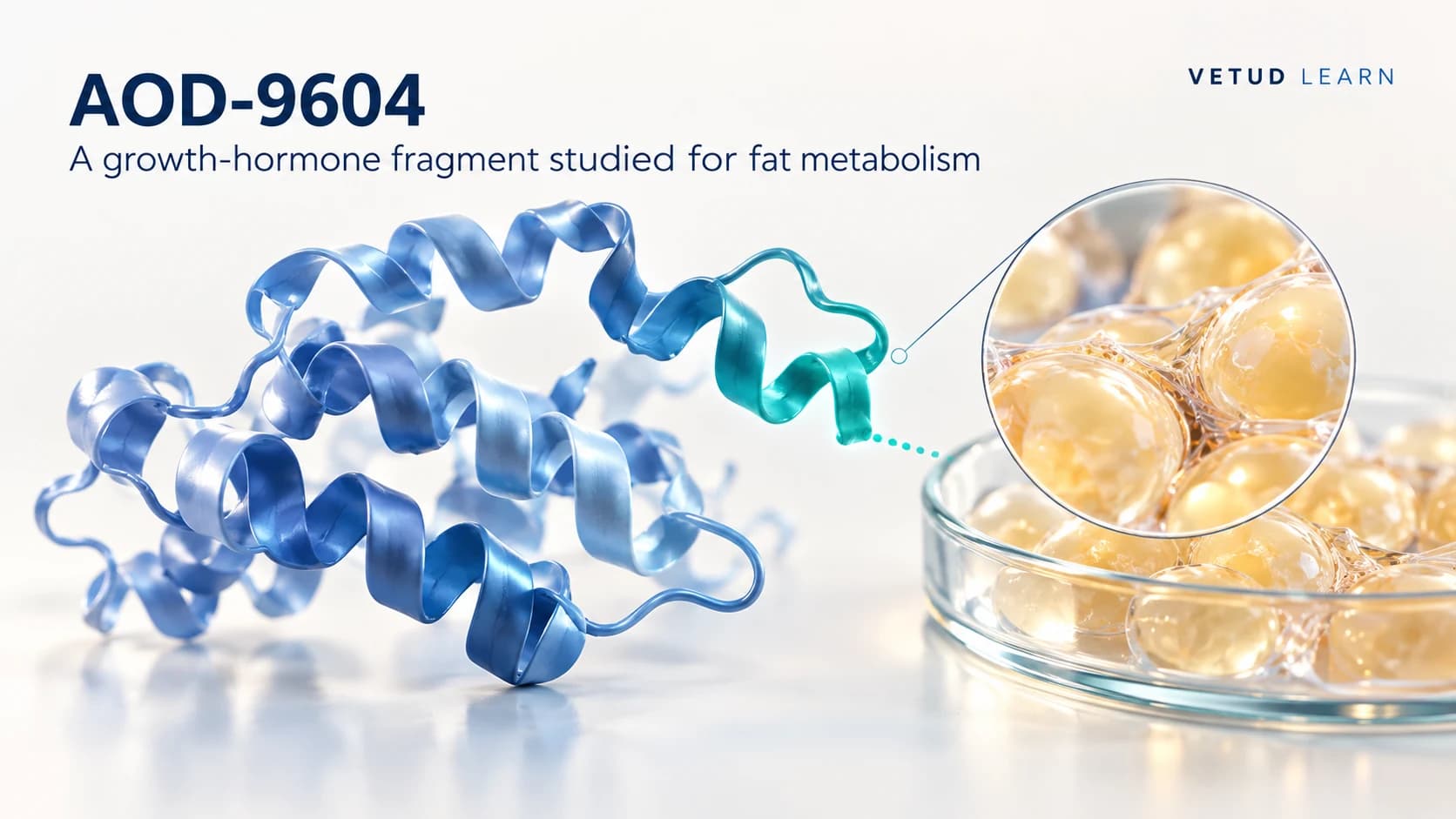
HGH fragment 176-191
A small piece of growth hormone that was developed as a fat-loss drug, but never made it to approval.
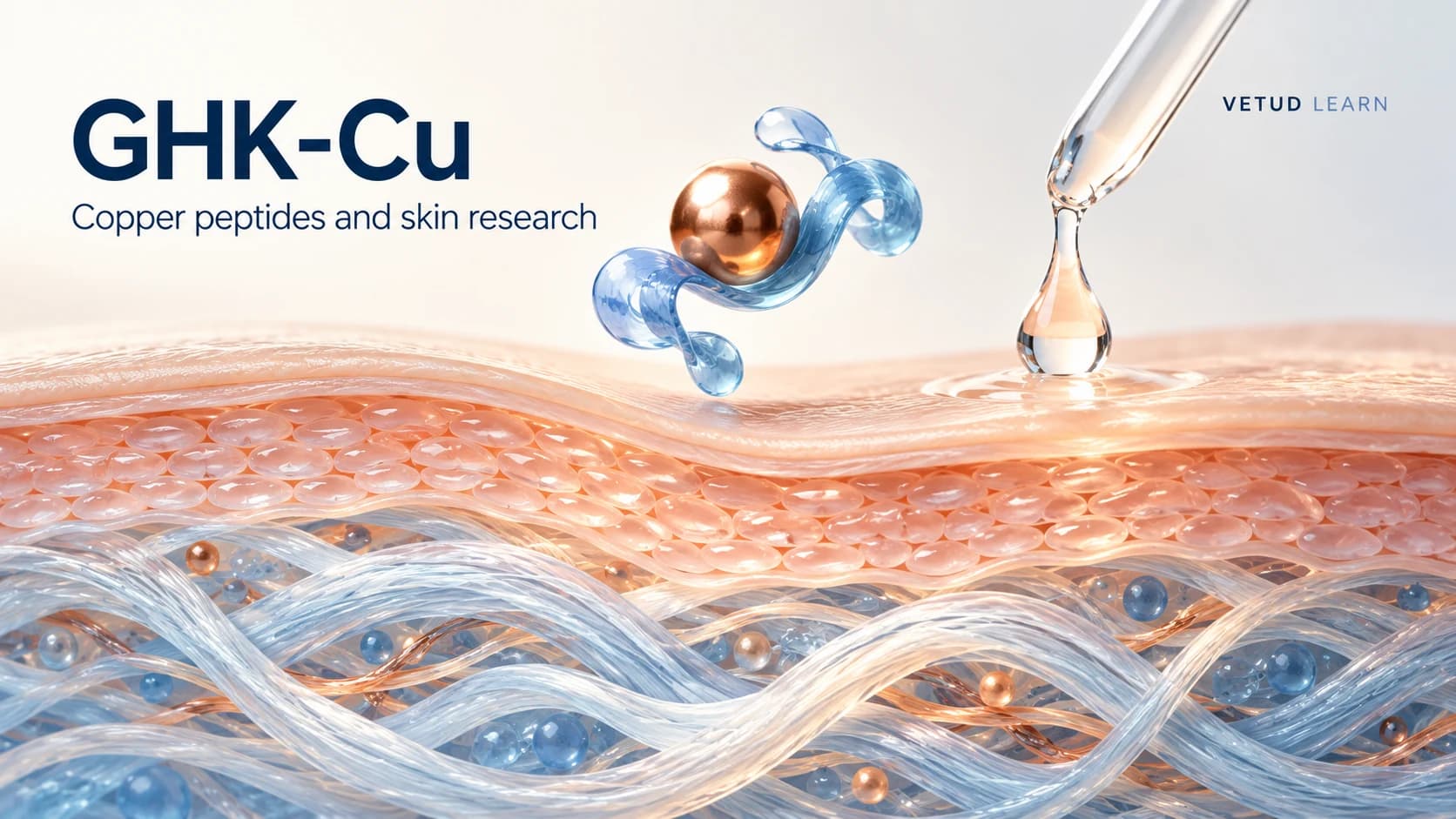
Skin & copper peptides
Copper peptide
A copper-carrying peptide found in skin care for its anti-aging effects.
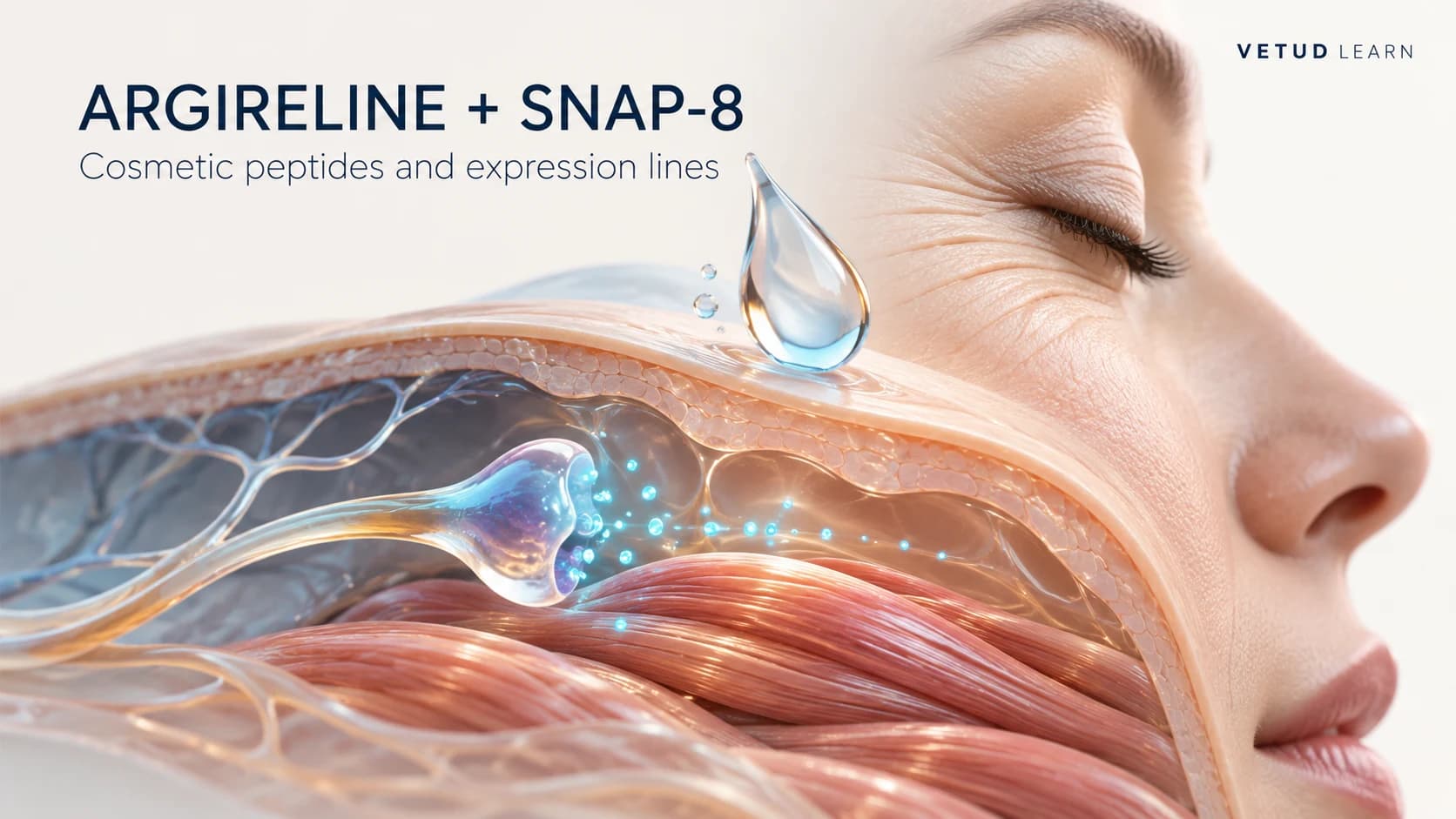
Skin & copper peptides
Acetyl hexapeptide-8 and acetyl octapeptide-3
The “Botox in a jar” peptides: skin-care ingredients designed to soften expression lines.
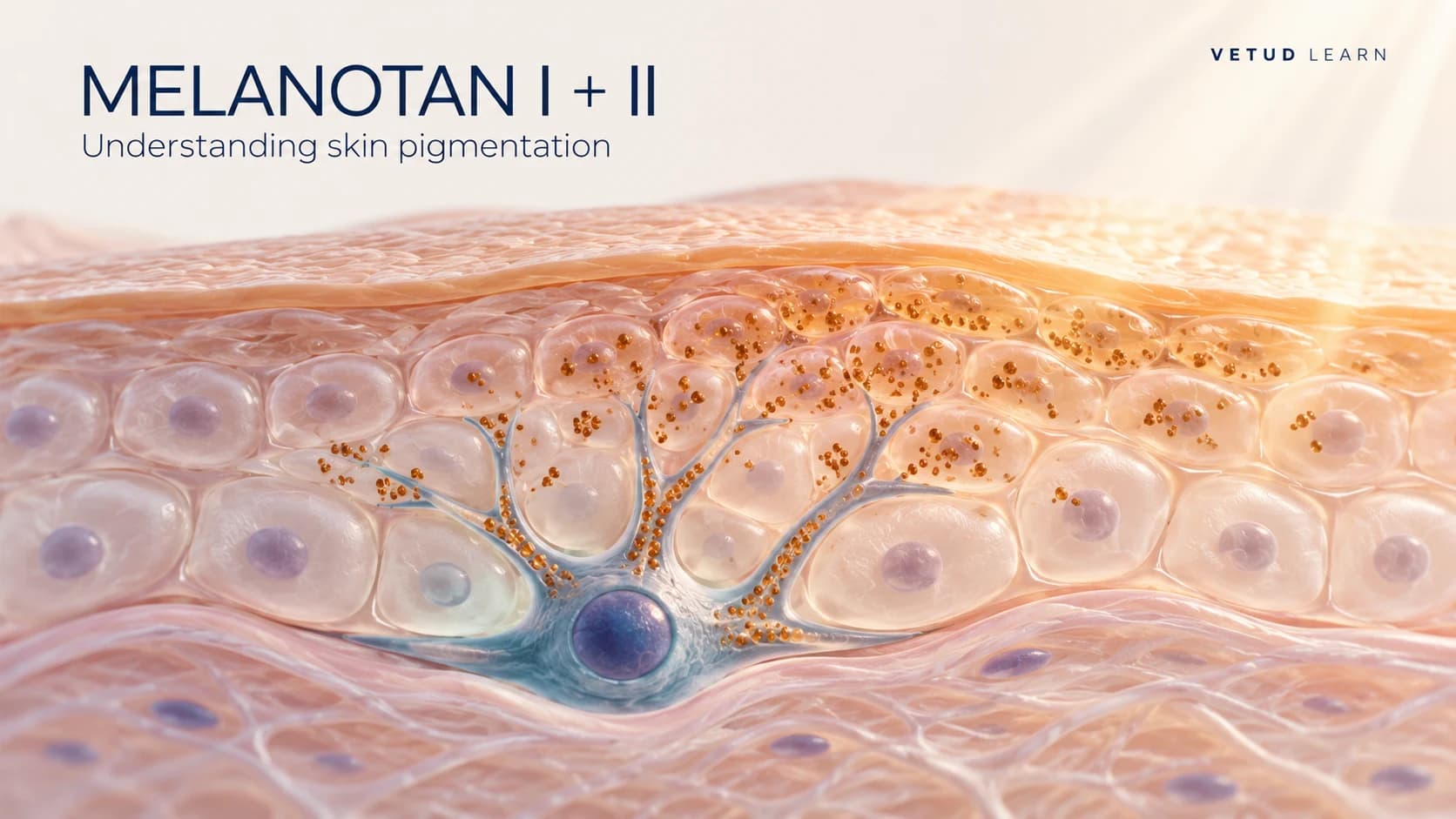
Pigmentation
Afamelanotide (Melanotan I)
The “tanning peptides”. One is an approved medicine for a rare disease; the other is an unapproved tanning injection that doctors warn about.
Pigmentation
Lumixyl peptide
A skin-care peptide that slows the making of melanin, studied for dark patches such as melasma.
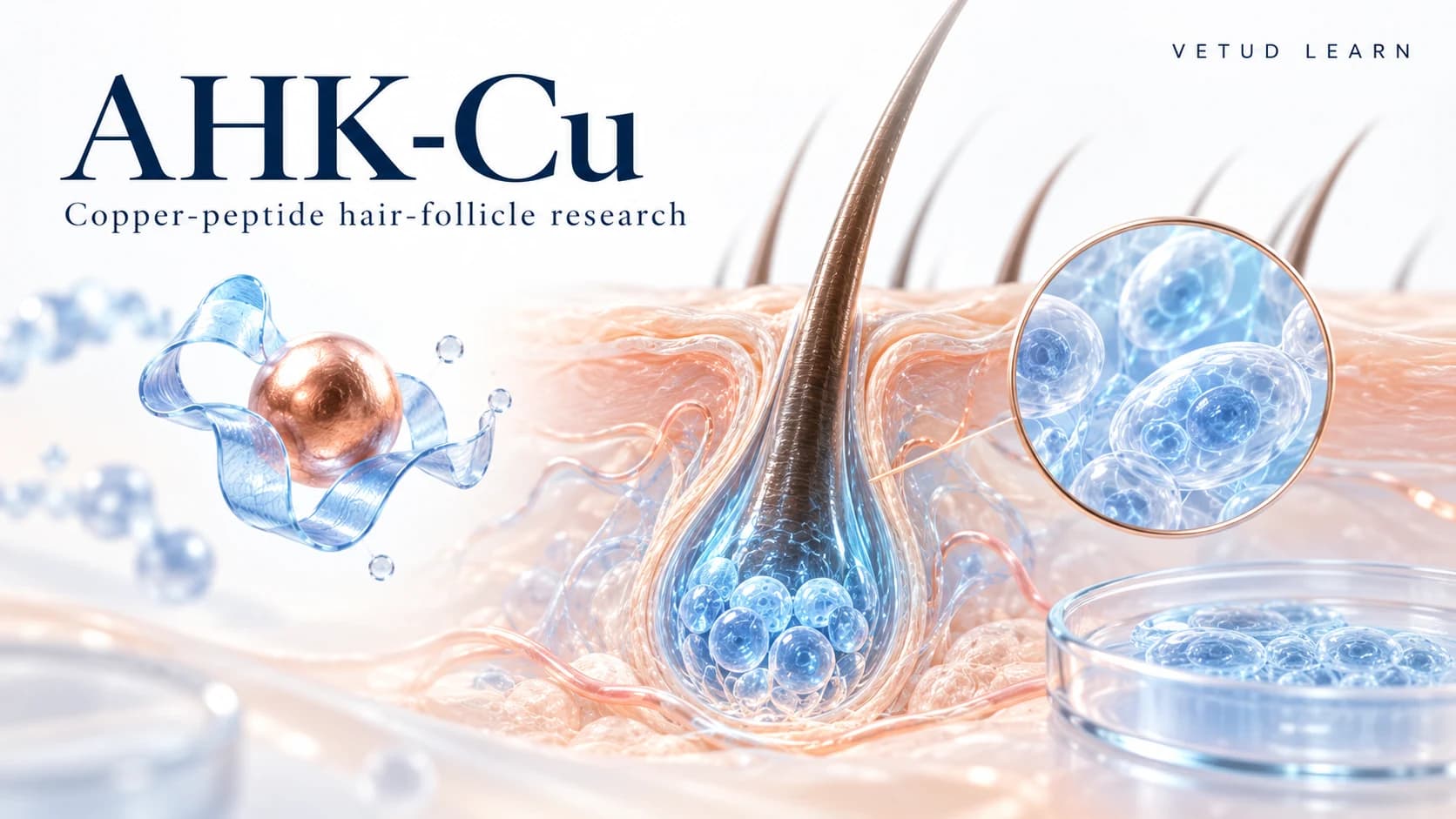
Hair
Copper tripeptide-1
A copper-carrying peptide, cousin of GHK-Cu, studied for hair growth.
Recovery & mobility
Body Protection Compound-157
A popular “healing” peptide with lots of animal research behind it, and almost no proper studies in people.
Recovery & mobility
Thymosin beta-4 fragment
A small piece of a natural repair protein. Popular for recovery, but barely tested in people.
Recovery & mobility
Lys-Pro-Val
A tiny peptide of three amino acids, studied for calming inflammation in the gut.
Recovery & mobility
Cibinetide
A small peptide made from a part of EPO that protects tissues, studied for nerve damage.
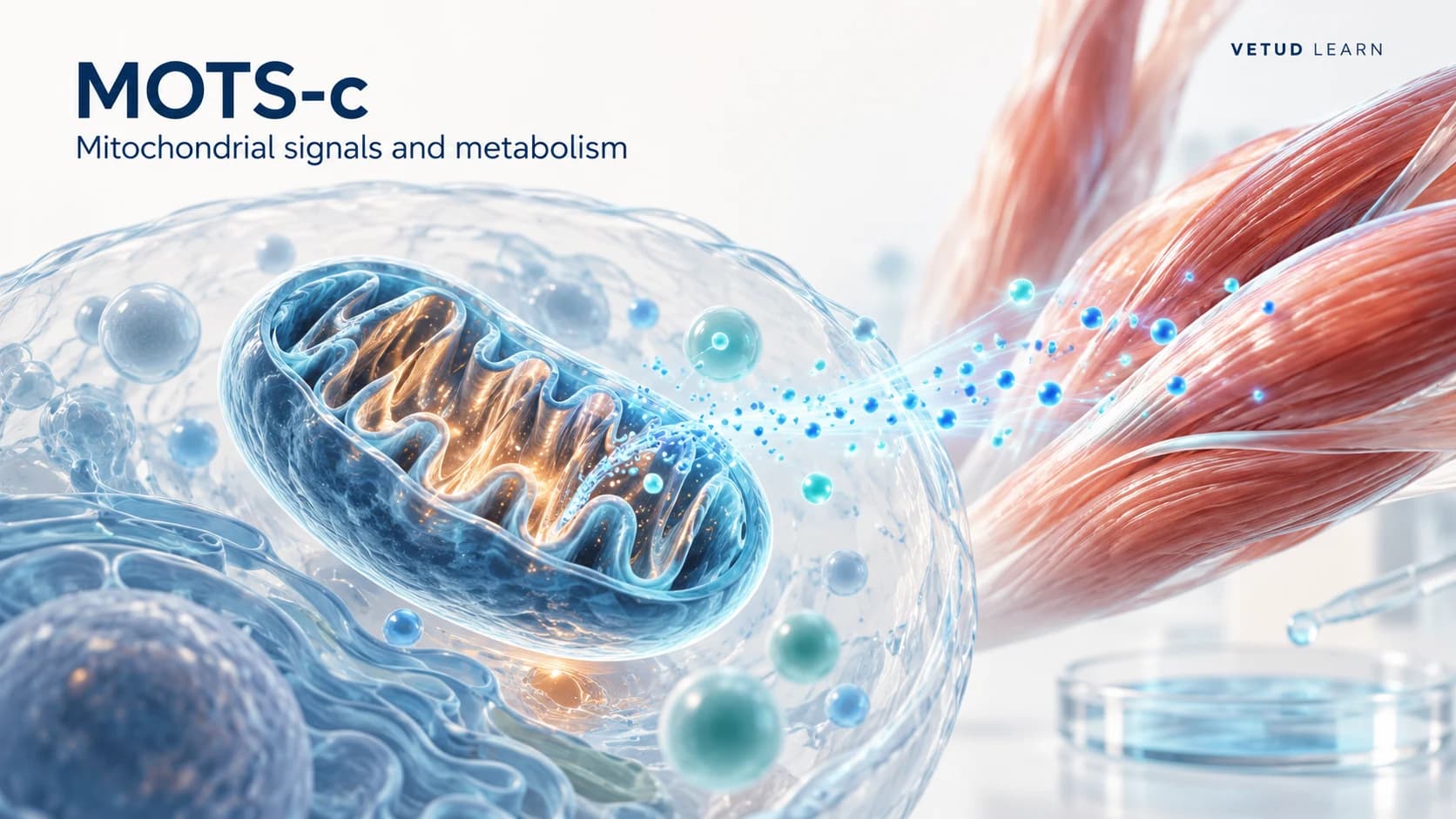
Energy & metabolism
A peptide made inside mitochondria, the cell’s power plants, and studied for metabolism.
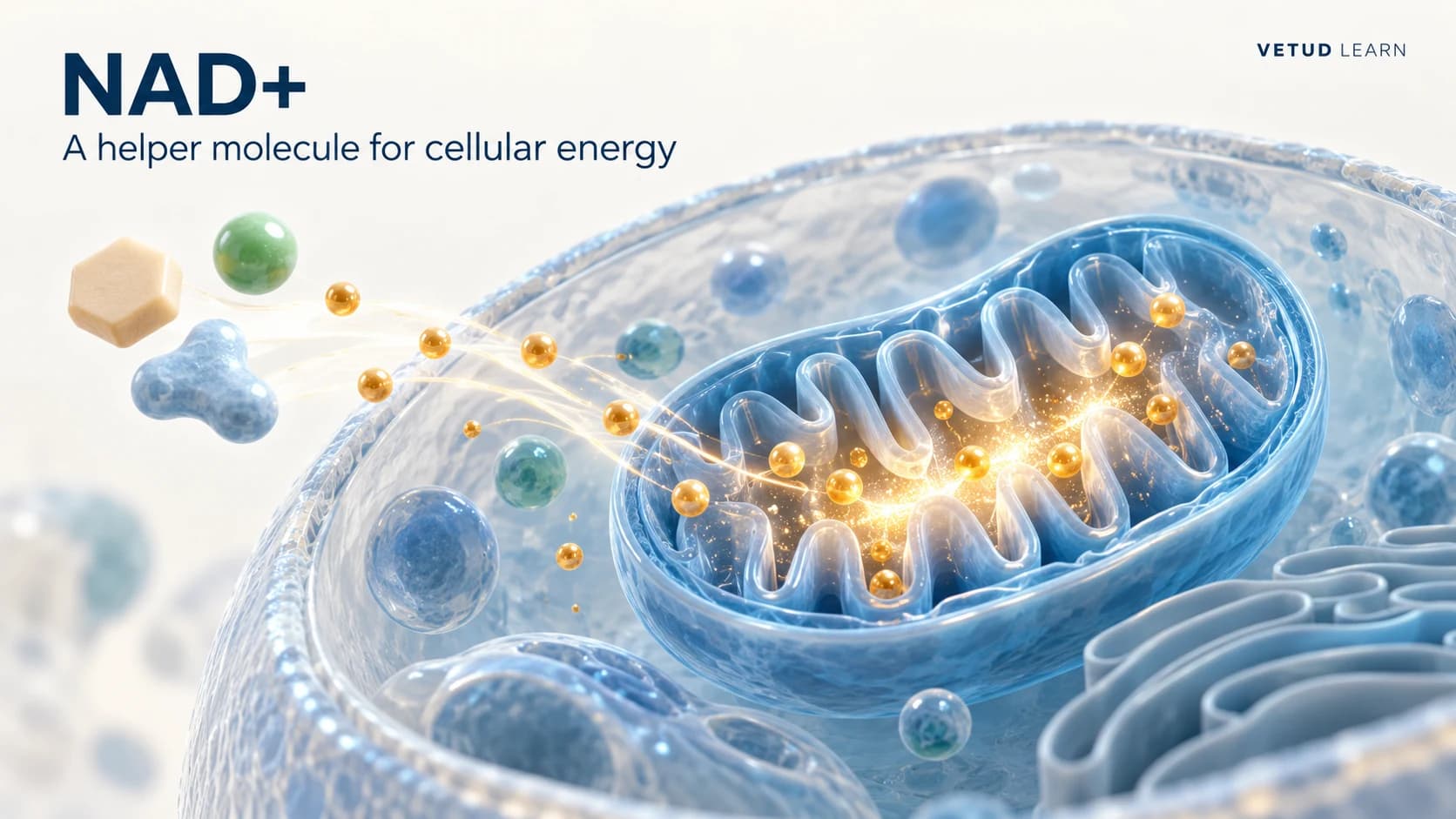
Energy & metabolism
Nicotinamide adenine dinucleotide
Not a peptide, but often mentioned alongside them: a molecule every cell needs to make energy.
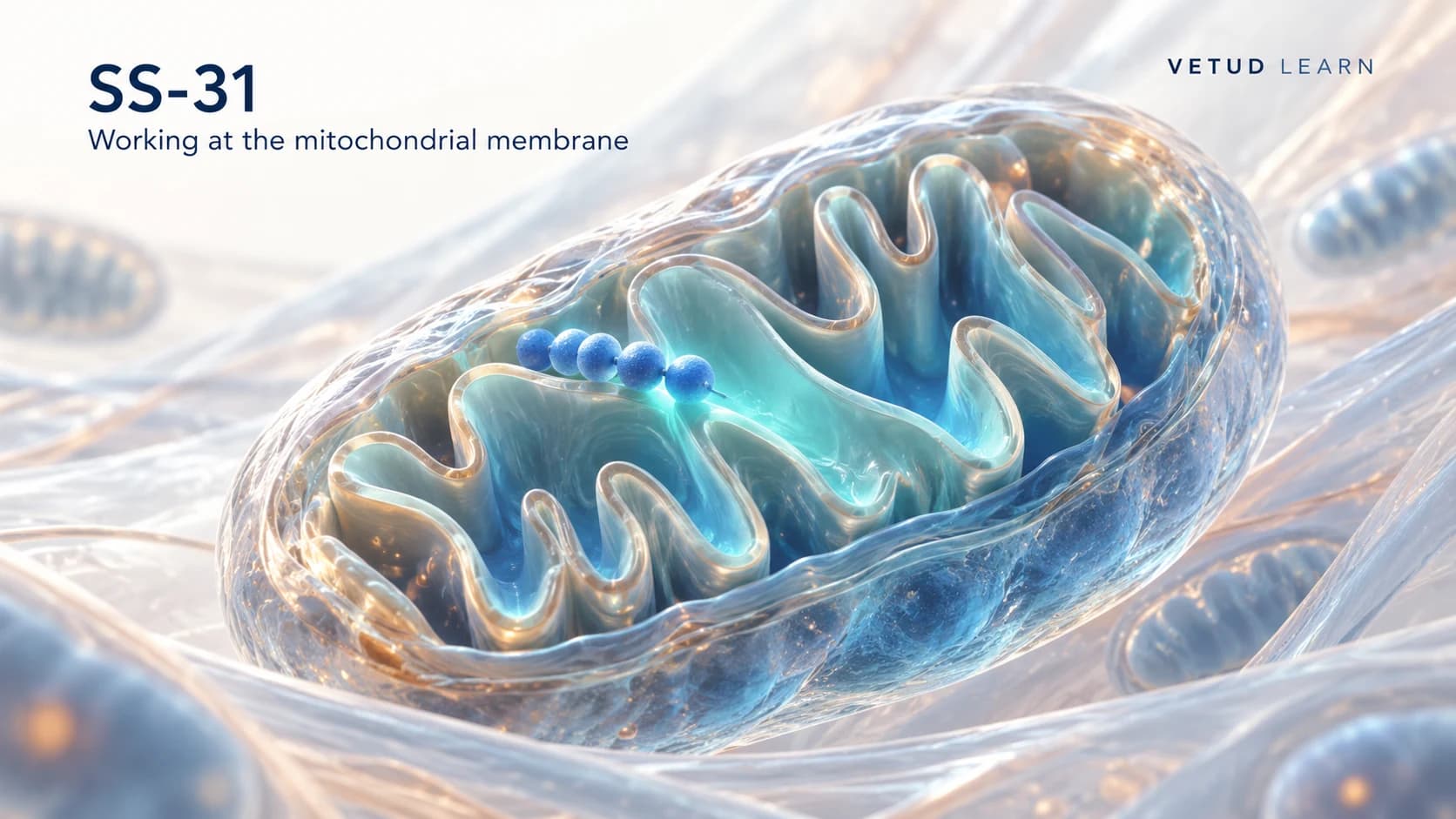
Energy & metabolism
Elamipretide, Forzinity
The first approved medicine that targets the mitochondria, the cell’s power plants.
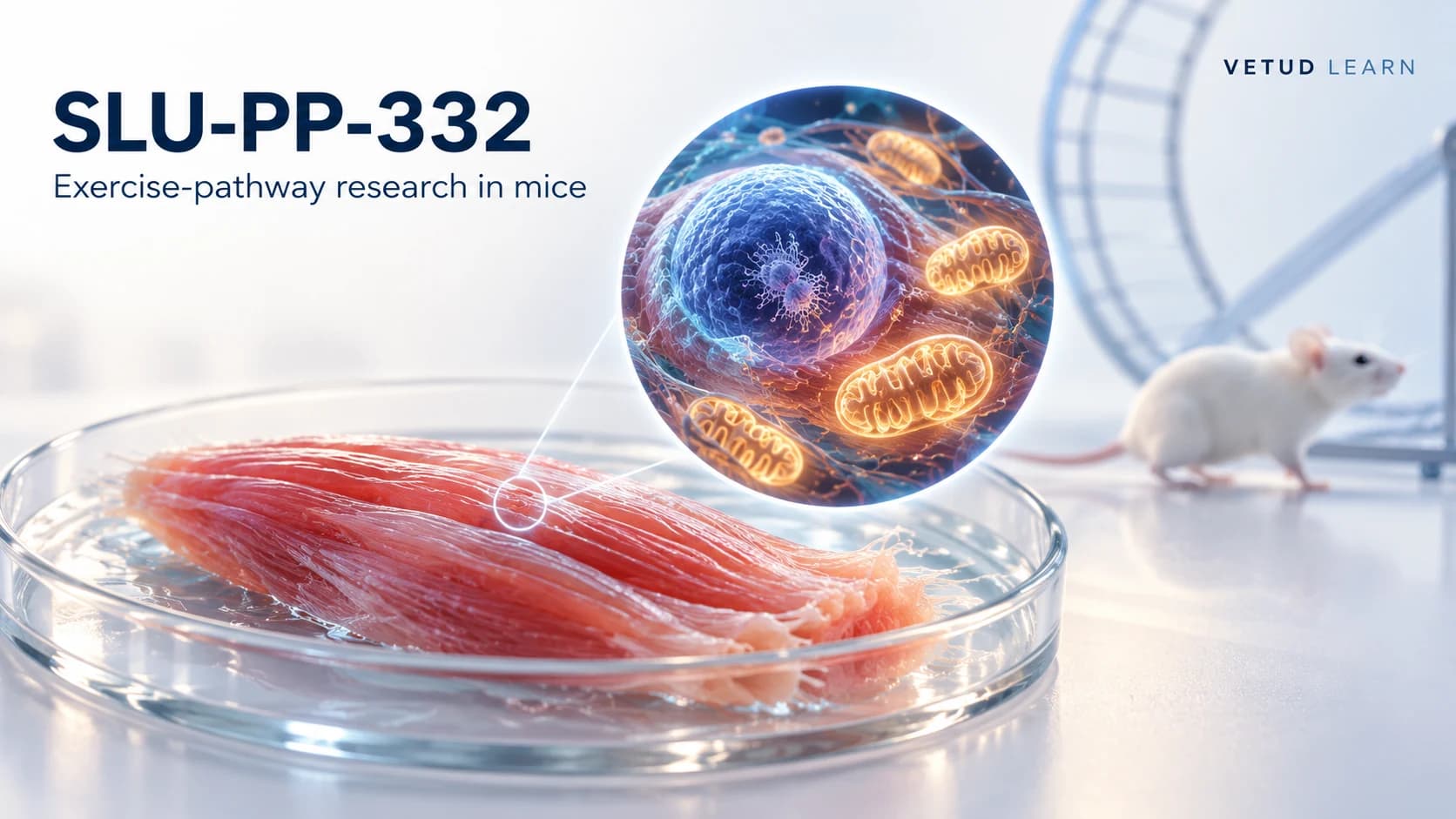
Energy & metabolism
Often called an “exercise pill”
Not a peptide: a lab compound that makes mice’s muscles behave as if they had exercised.
Energy & metabolism
Not a peptide: a small compound that blocks an enzyme linked to fat storage, studied in mice.
Performance & growth
A peptide that nudges the body to release its own growth hormone.
Performance & growth
A long-lasting version of the brain signal that triggers growth hormone.
Performance & growth
Geref
A short copy of the brain’s growth-hormone signal that was once a prescription medicine for children.
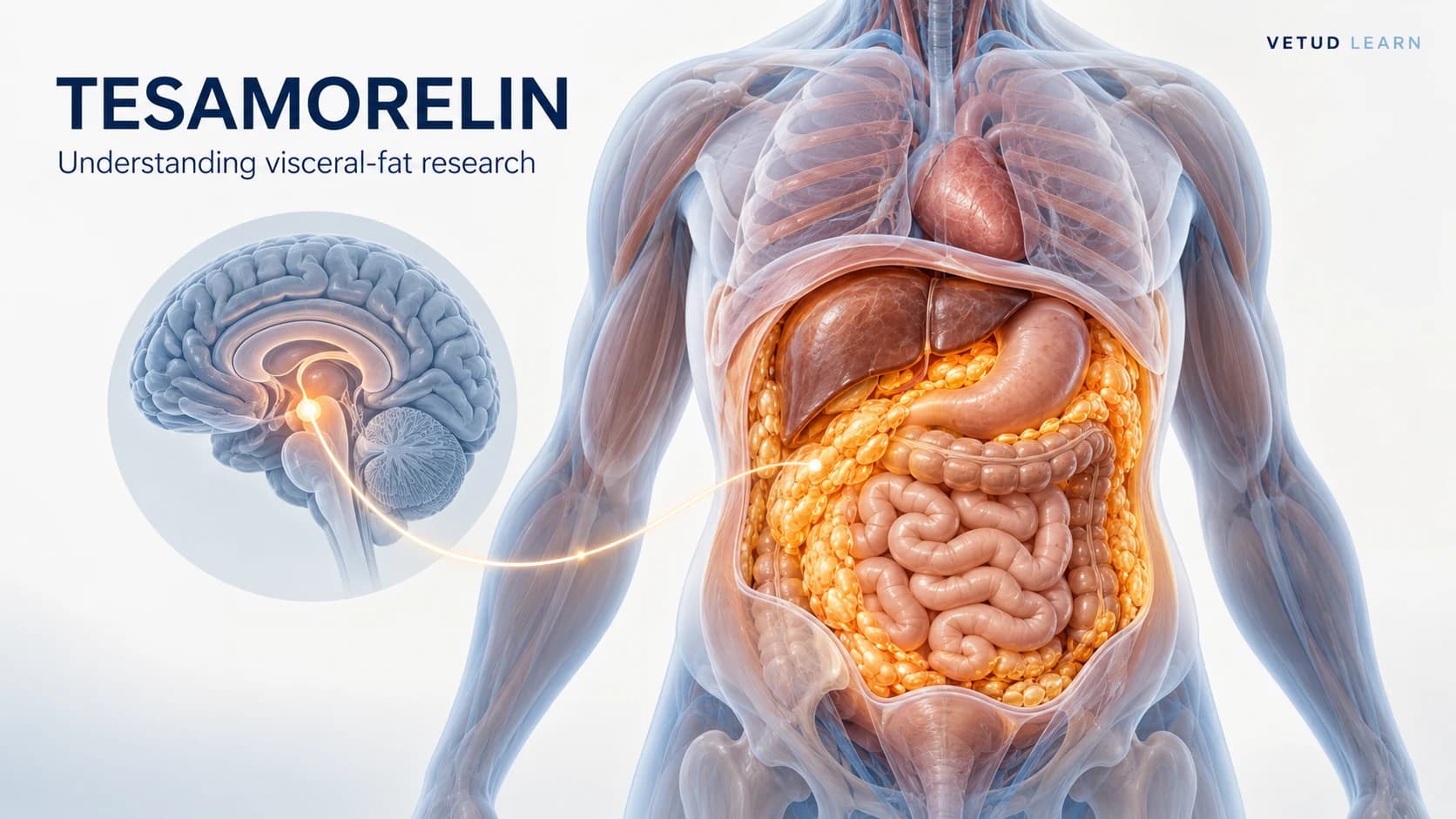
Performance & growth
Egrifta
A growth-hormone-releasing medicine studied for changes in visceral fat, the deep fat around the organs.
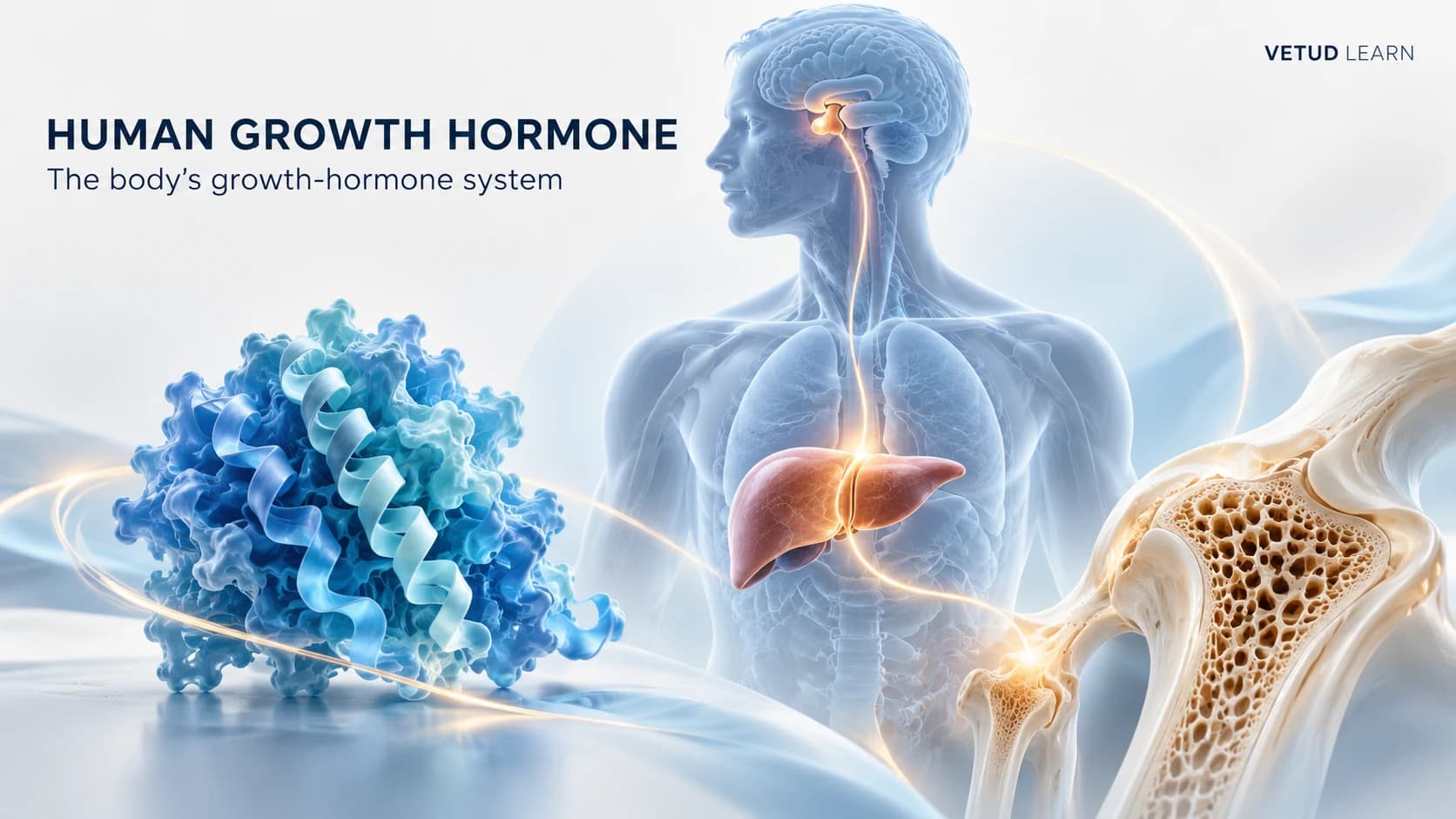
Performance & growth
Somatropin
The body’s own growth hormone, made in the lab: a proven medicine for real deficiency, and widely misused.
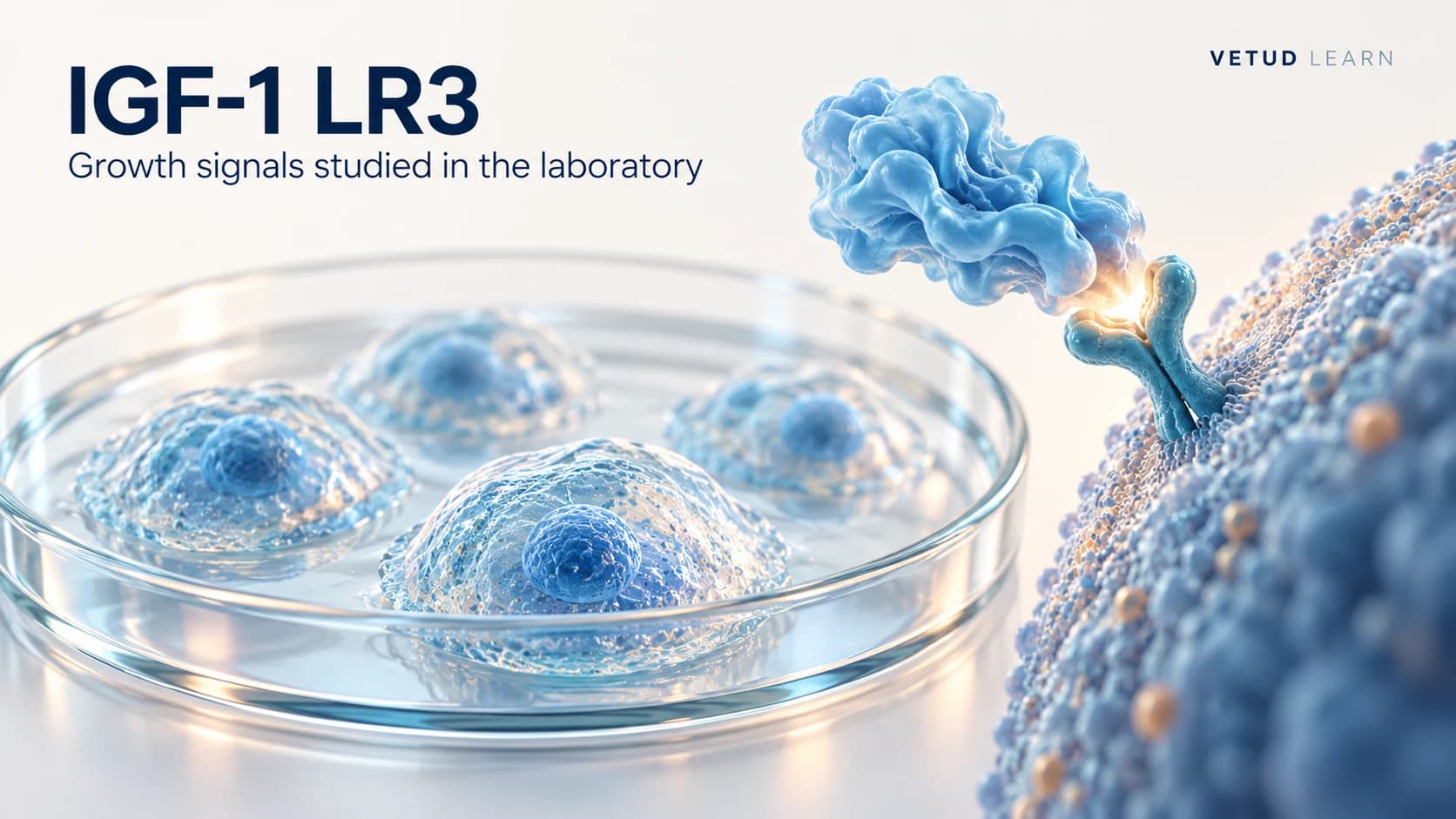
Performance & growth
Long R3 IGF-1
A long-lasting lab version of IGF-1, the hormone growth hormone works through.

Concentration & focus
A Russian nasal-spray peptide used after strokes and studied as a “brain booster”.
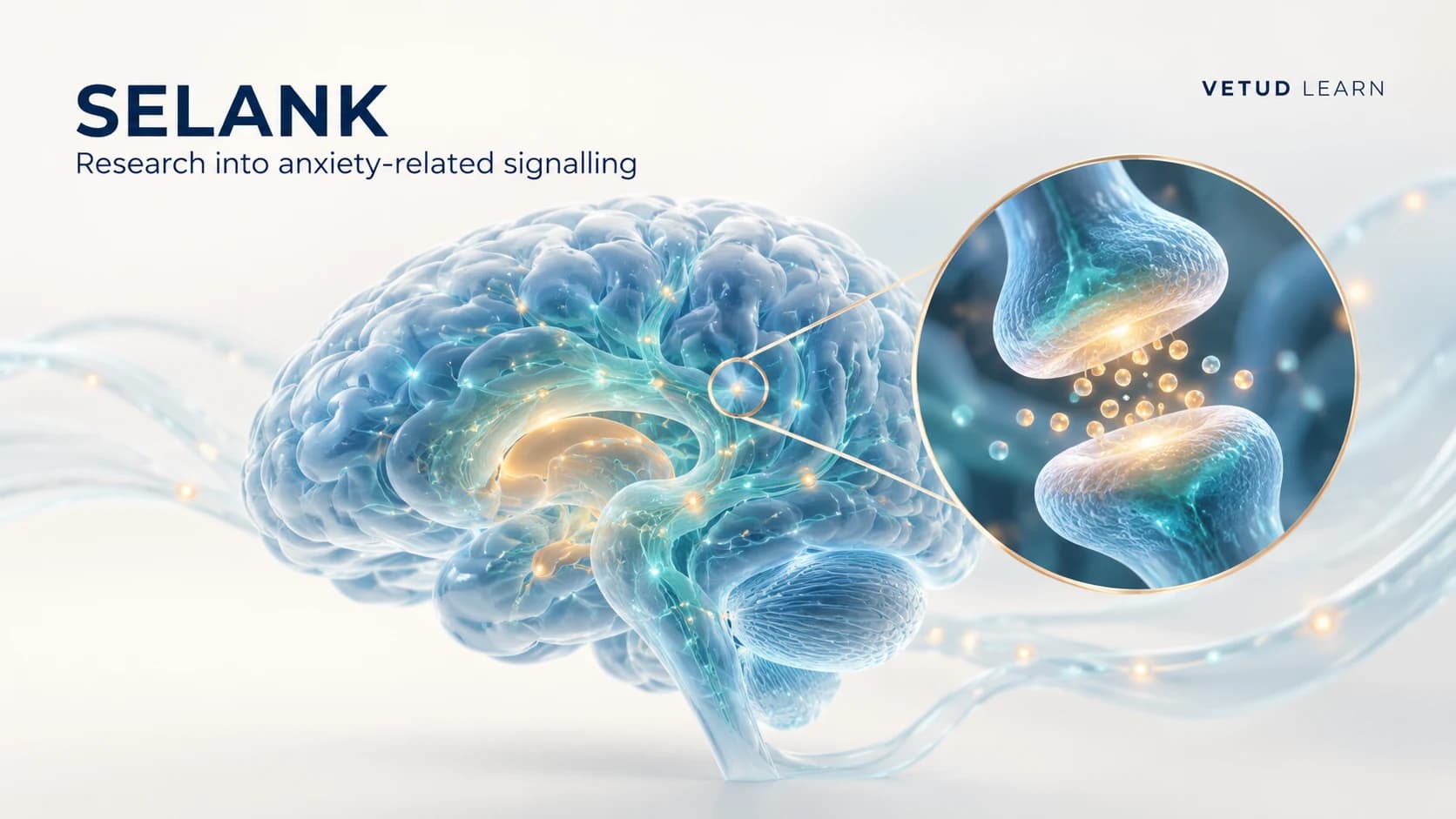
Calm & balance
A nasal-spray peptide developed in Russia and studied for anxiety.

Sleep
Delta sleep-inducing peptide, emideltide
A small brain peptide named for deep sleep, whose effect still isn’t clear after 50 years.
Longevity
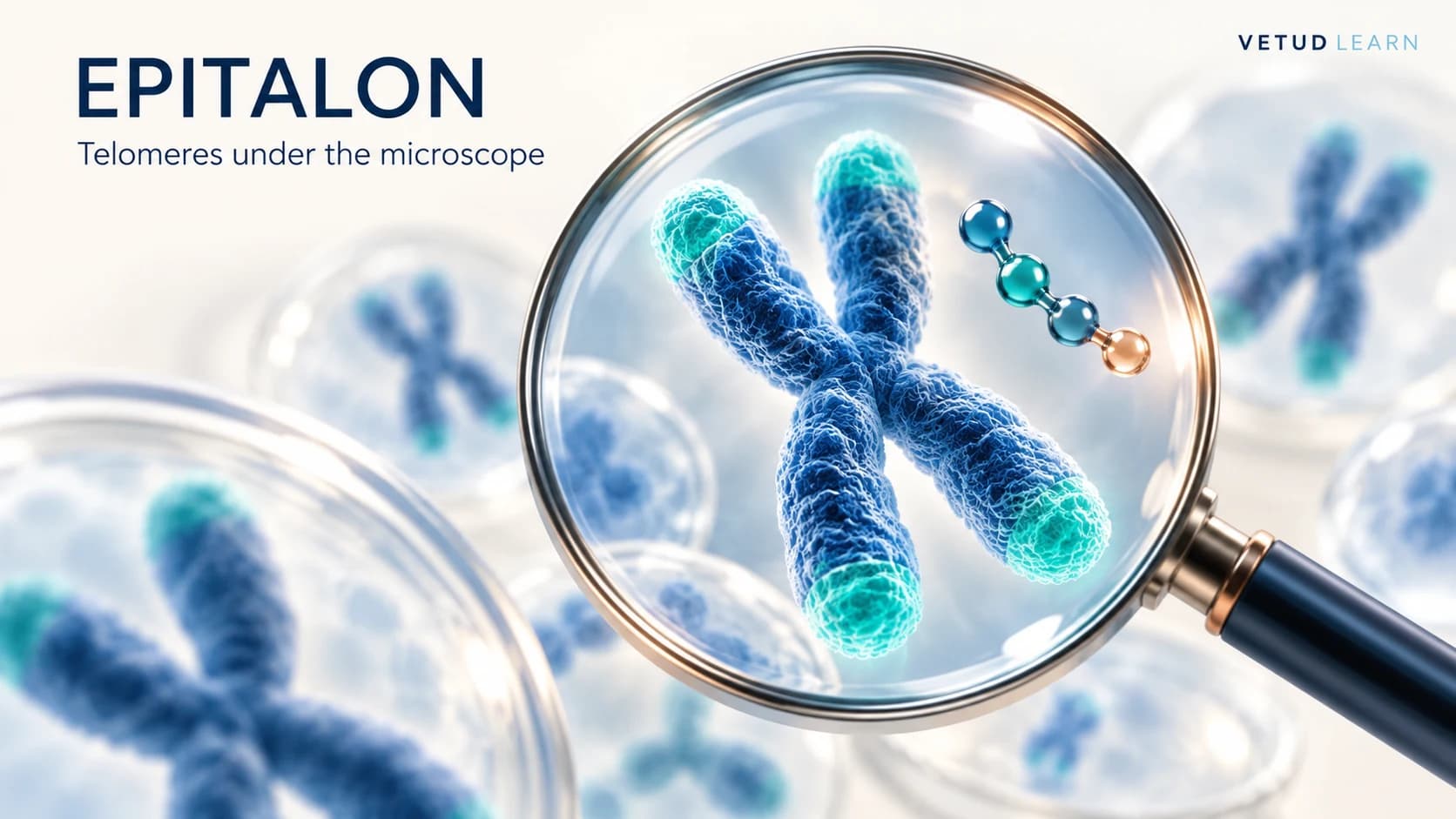
Epithalon
A four-amino-acid peptide studied for aging and telomeres, mostly in cells and animals.
Sexual health
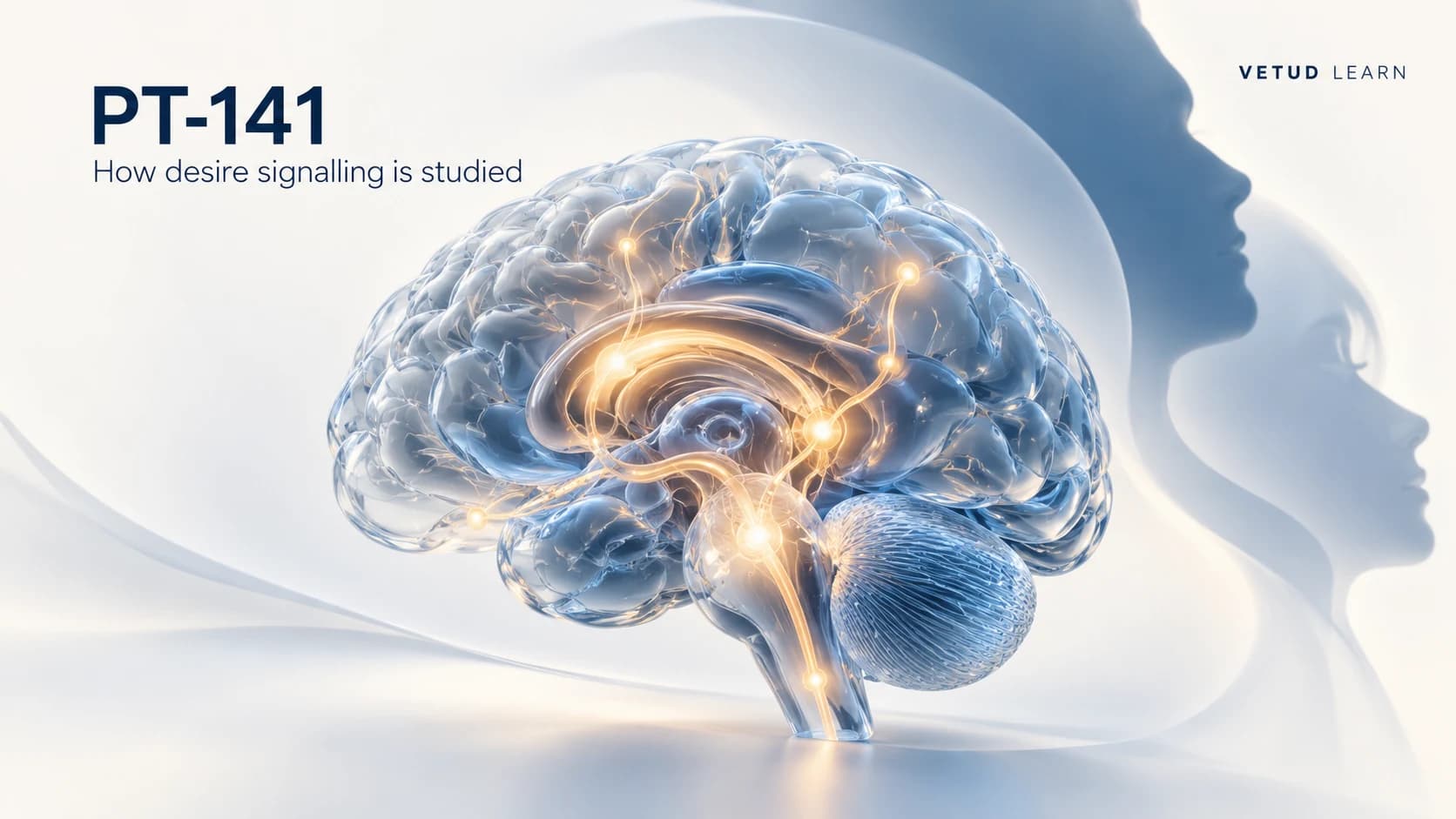
Bremelanotide, Vyleesi
An approved medicine that works in the brain to increase sexual desire.
Fertility & hormones
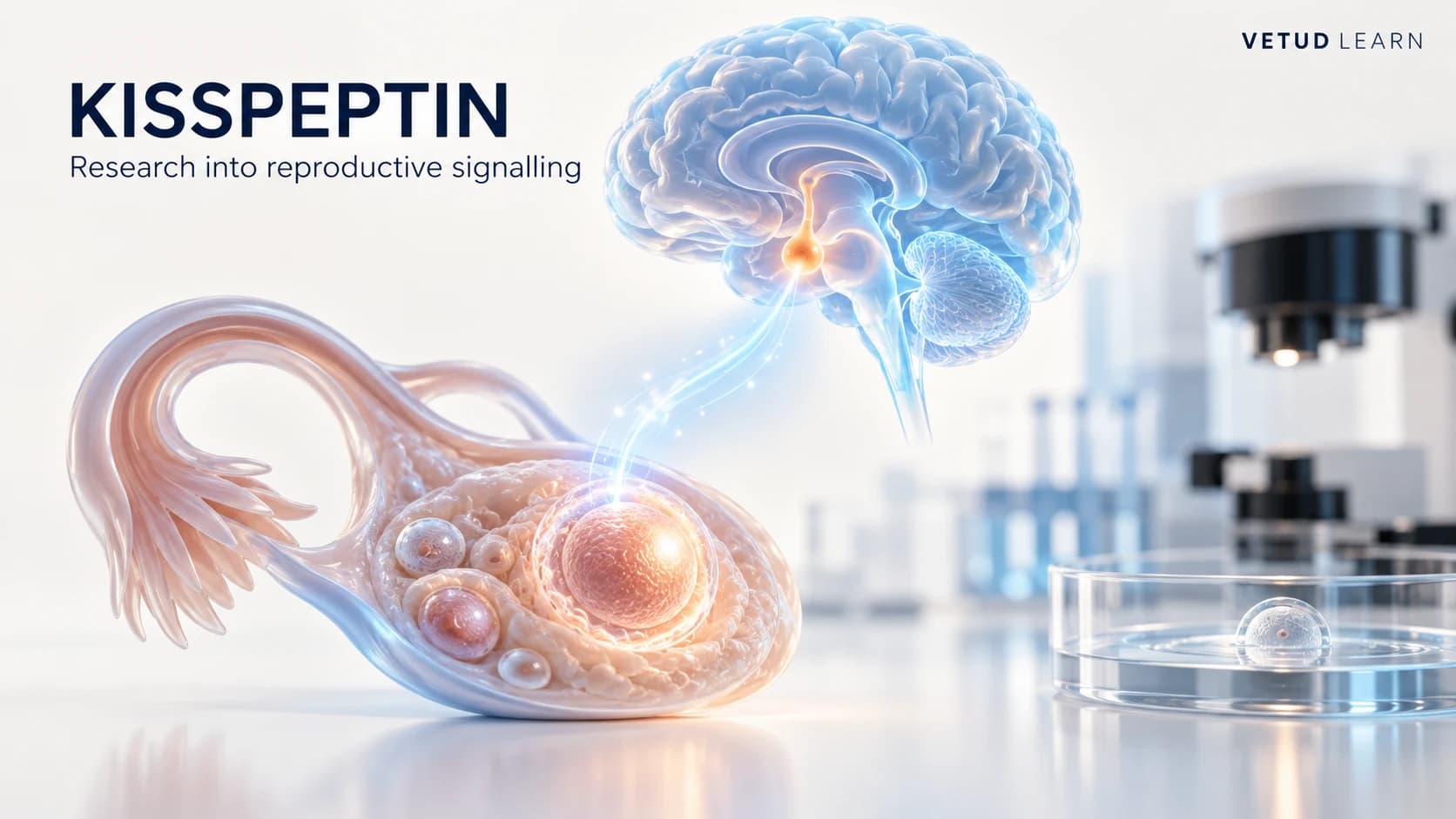
The hormone that switches on the reproductive system, being tested as a gentler way to trigger egg maturation in IVF.
Fertility & hormones
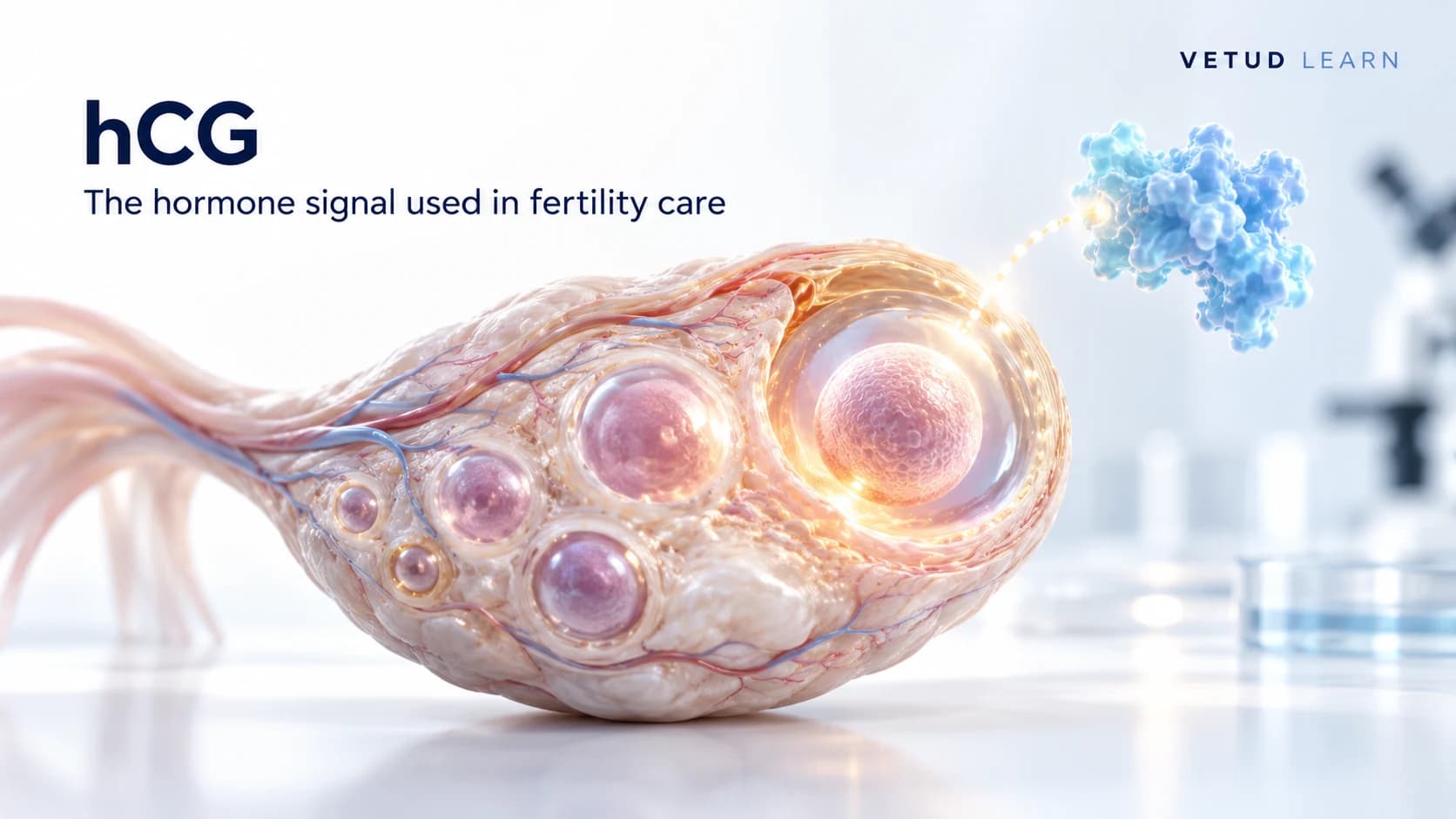
Human chorionic gonadotropin, Pregnyl, Ovidrel
The pregnancy hormone: an approved fertility medicine, and the center of a long-running weight-loss myth.
Fertility & hormones
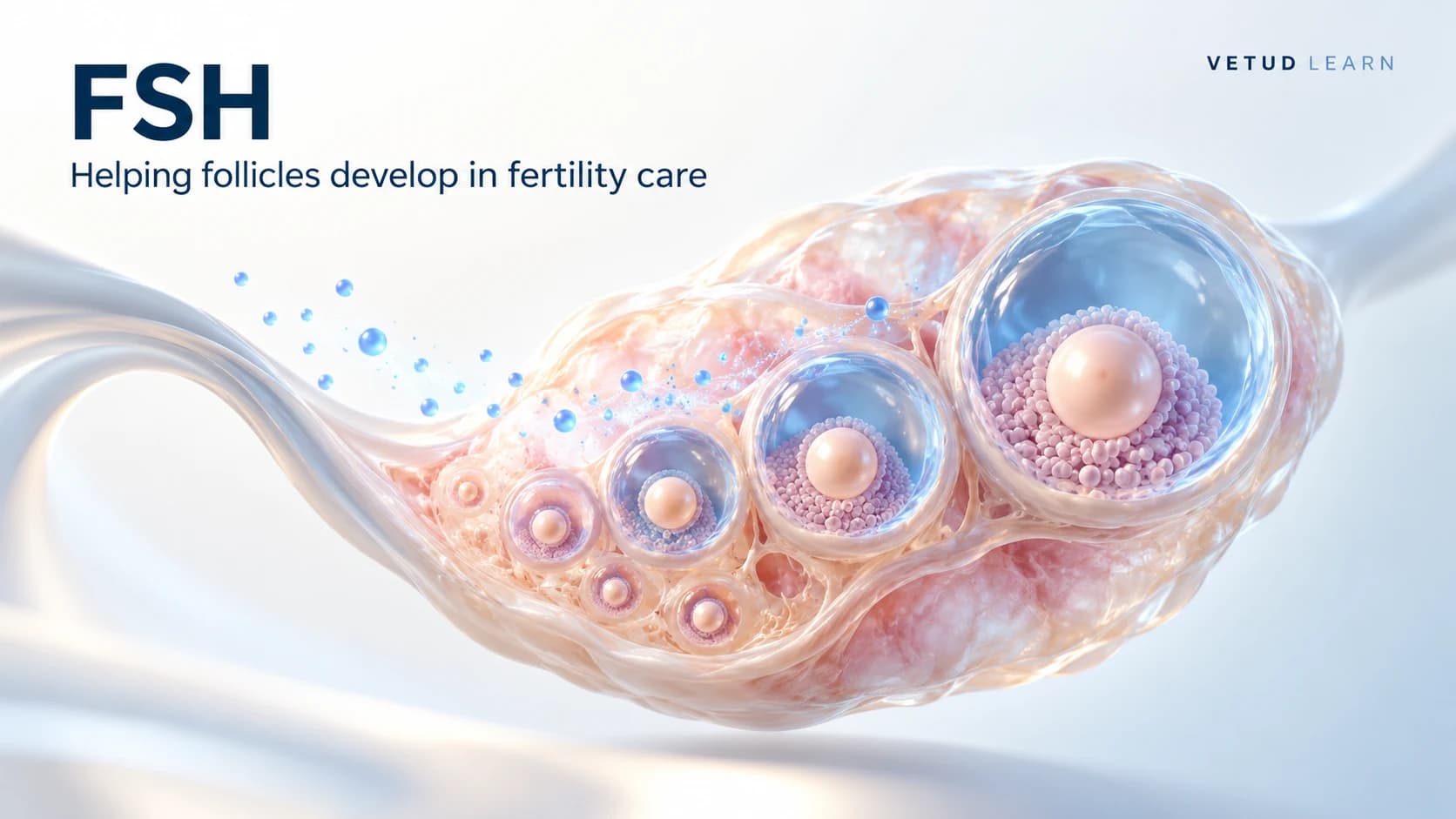
Follicle-stimulating hormone, follitropin
An approved fertility hormone that helps eggs develop during IVF.
Immune support
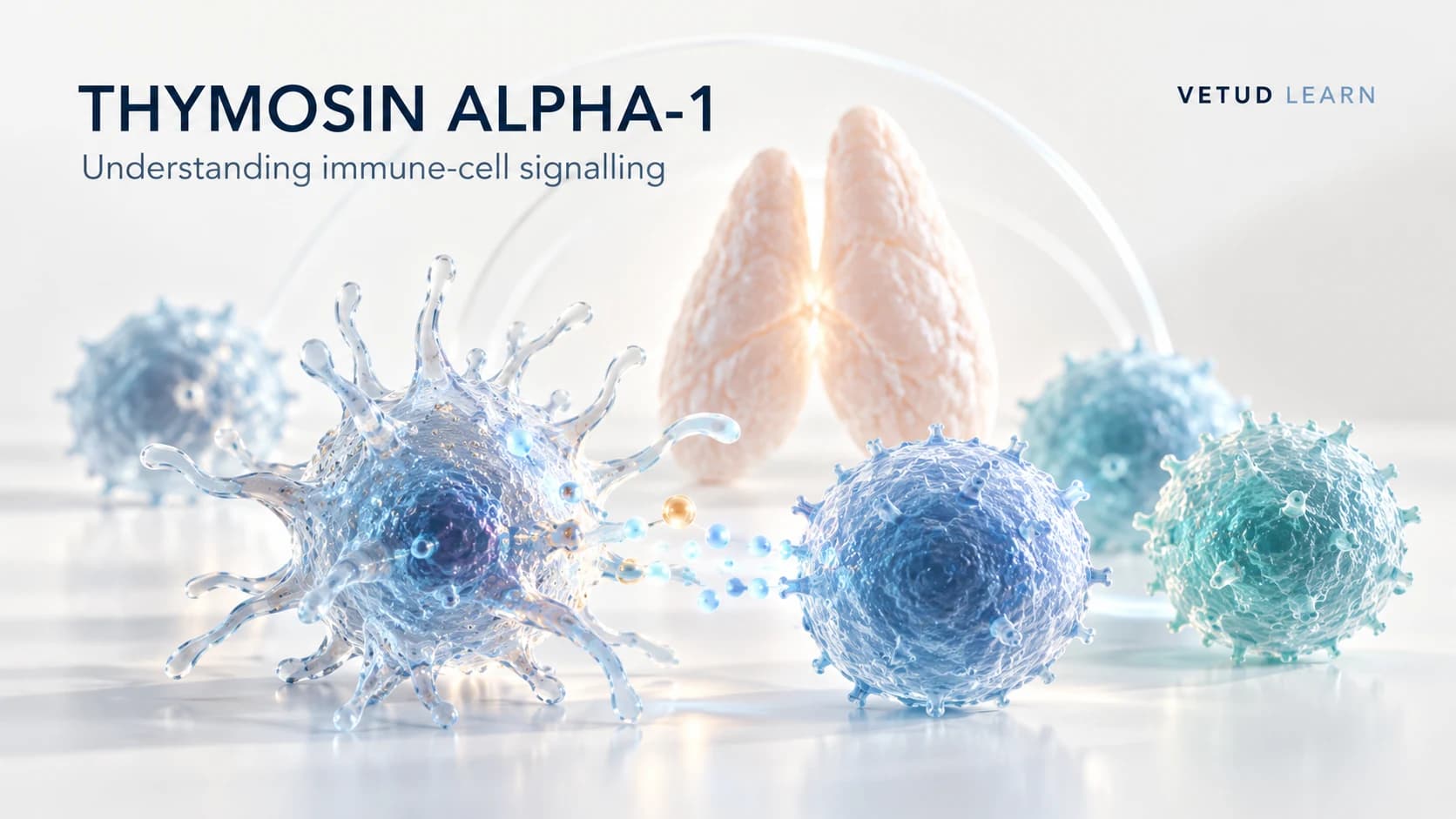
Thymalfasin, Zadaxin
A natural immune-signaling peptide from the thymus gland, used as a medicine in some countries.
Immune support
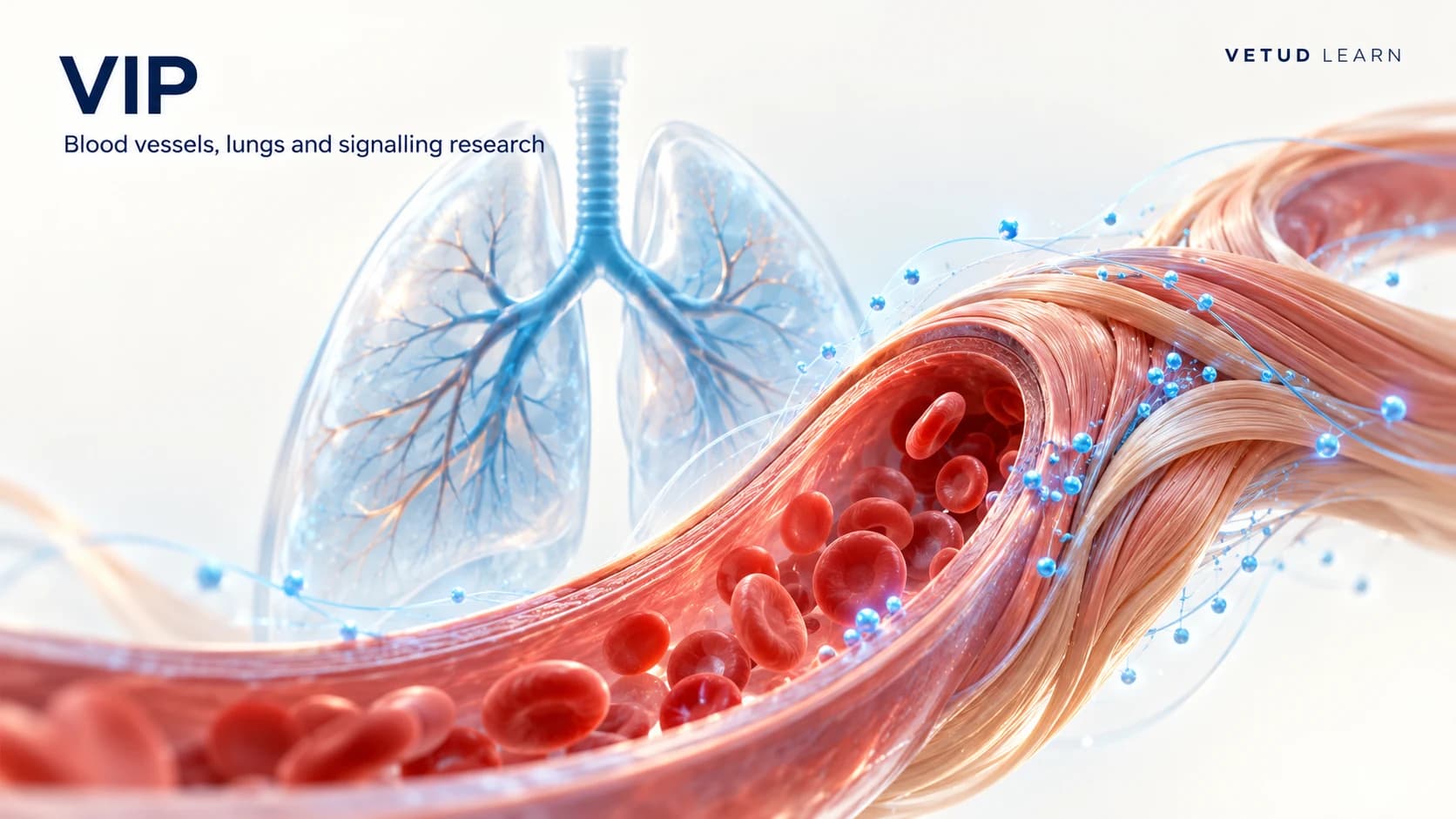
Vasoactive intestinal peptide, aviptadil
A natural messenger peptide that relaxes blood vessels and calms inflammation, studied in lung disease.
Classic medicines
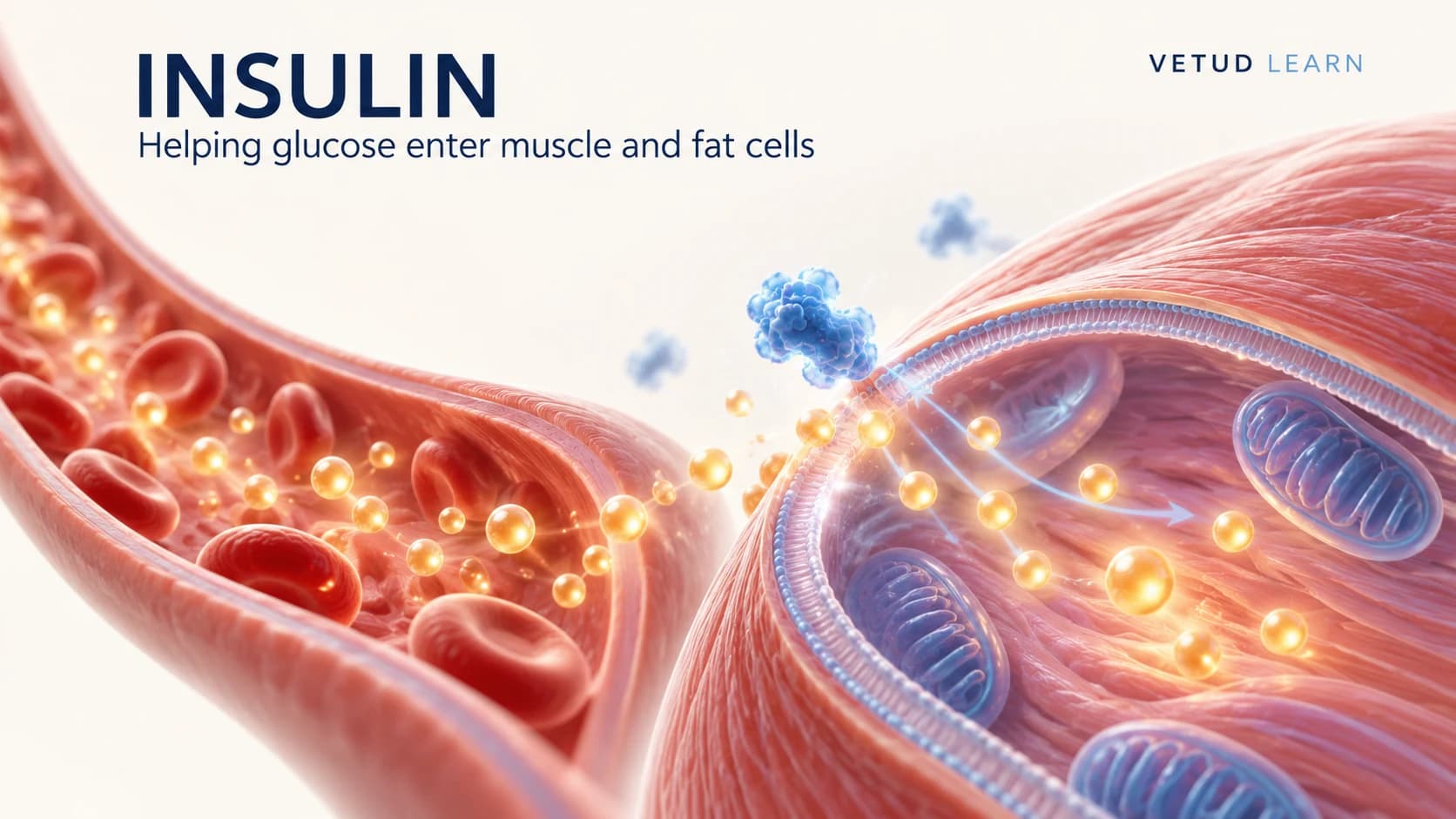
The most famous peptide medicine of all. It turned type 1 diabetes from a fatal disease into a manageable one.
Classic medicines
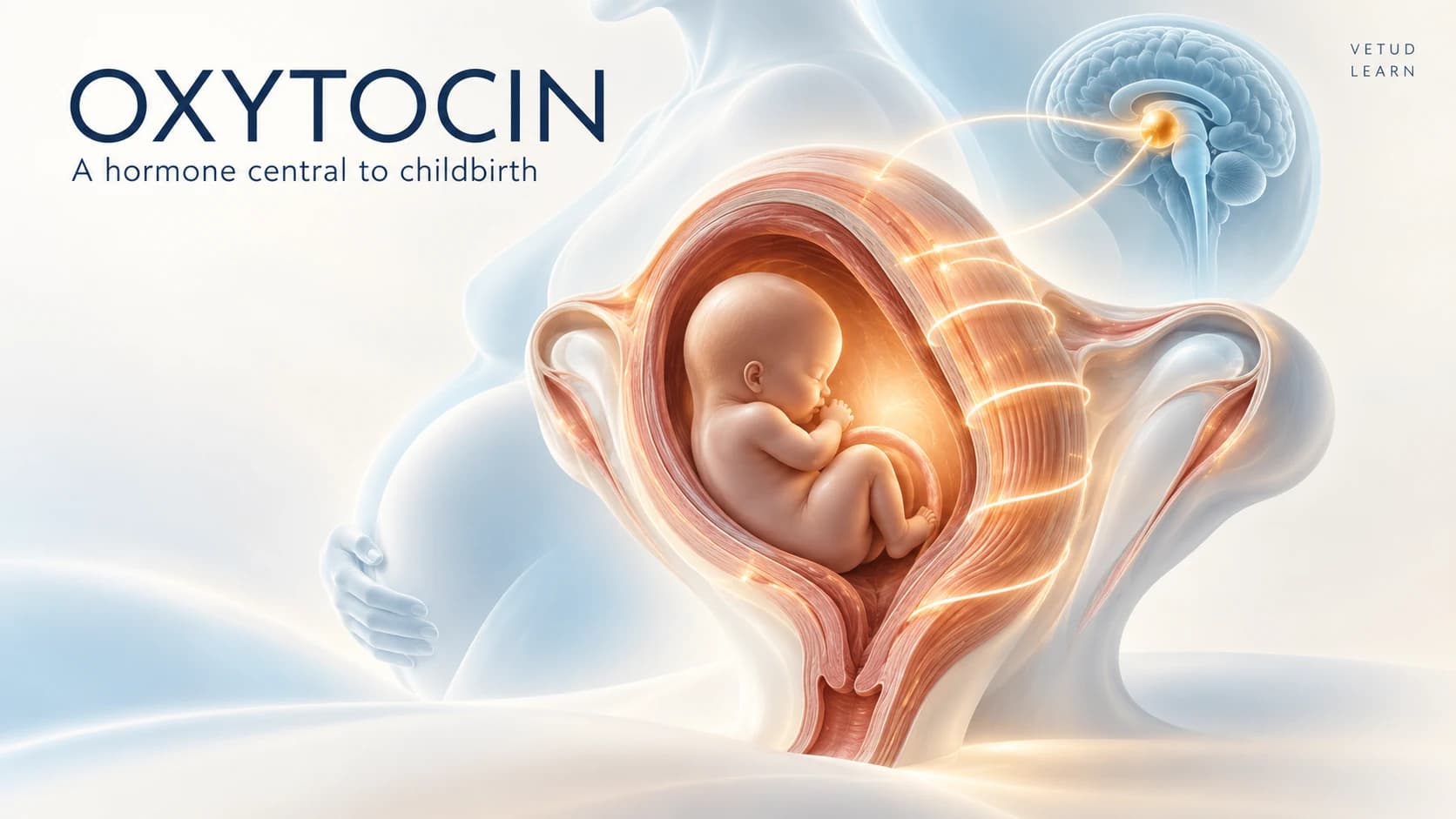
Pitocin, Syntocinon
The “bonding hormone”, and one of the most used medicines in childbirth.
Classic medicines
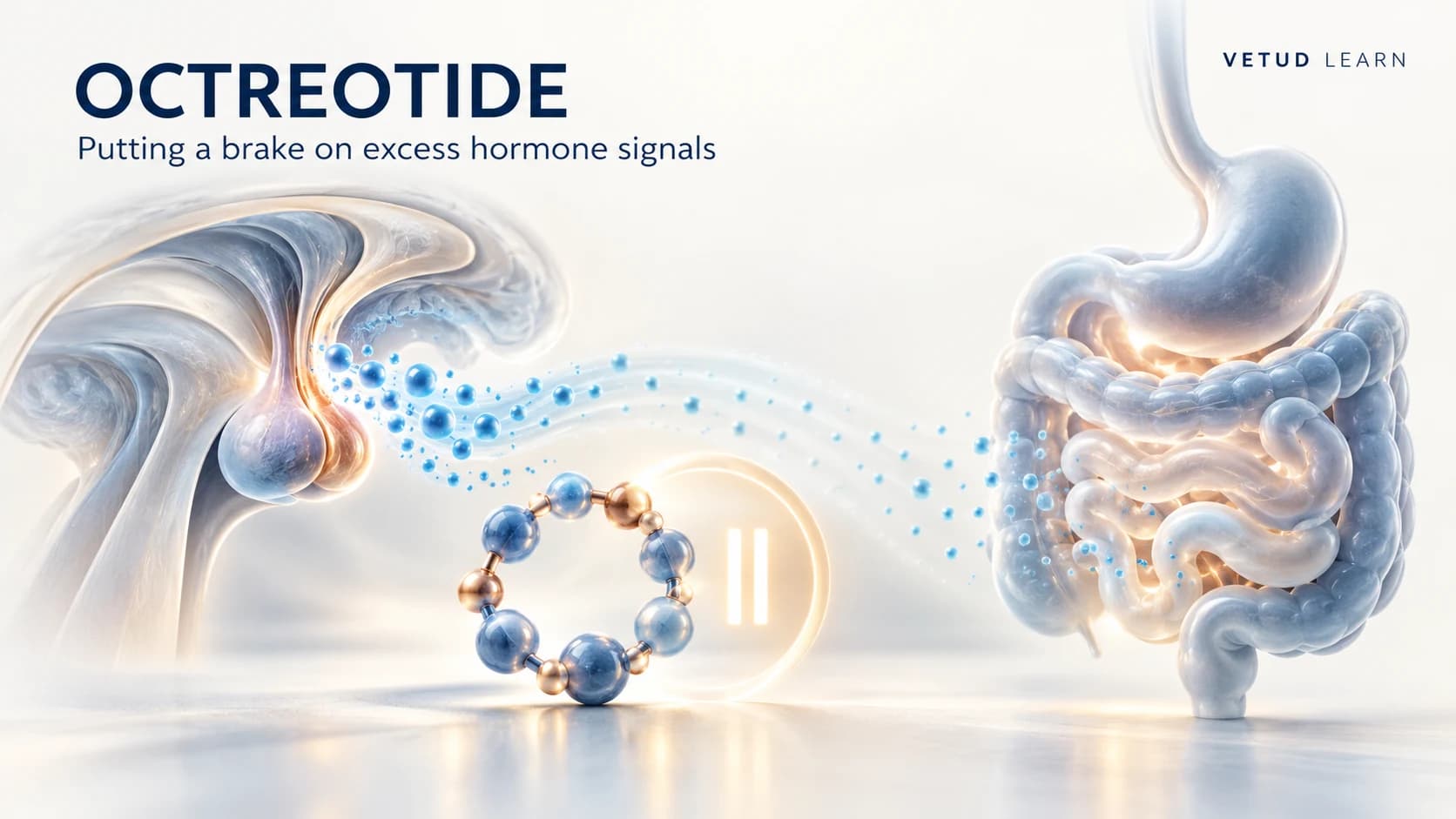
Sandostatin, Mycapssa
A long-lasting copy of a natural “brake” hormone, used to control some hormone disorders and tumors.
Classic medicines
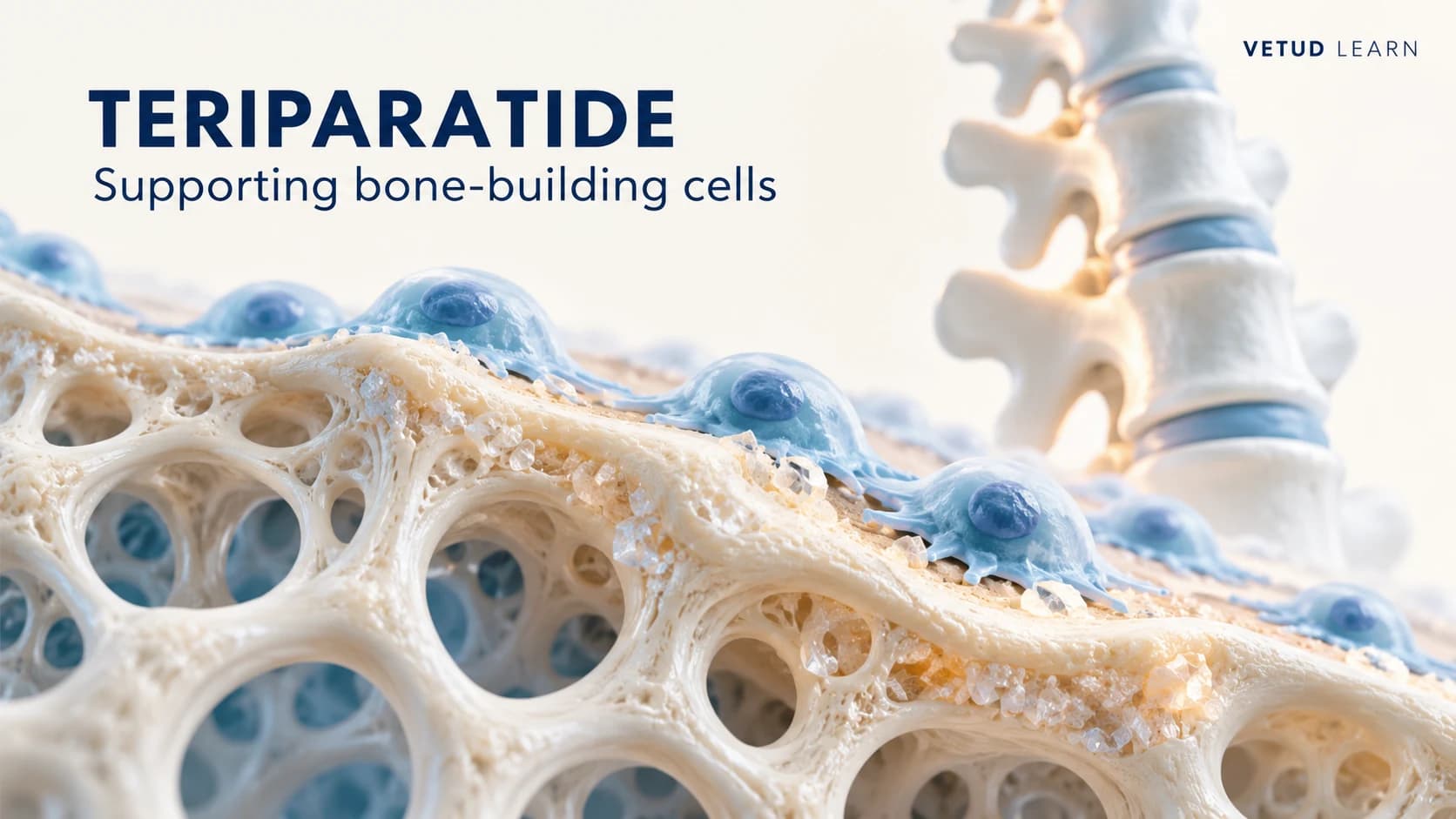
Forteo, Forsteo
A bone-building peptide that cuts the risk of spine fractures in osteoporosis.
Results
Published human trial averages, plus early findings for PTT-A and CBL-514 with the type of evidence clearly identified.
Each medicine compared with a placebo in its own trial. Ordered by reported average; this is not a head-to-head ranking.
Retatrutide · Experimental
12 mg weekly
Phase 2 · 48 weeks · 338 people
Tirzepatide · Approved
15 mg weekly (Zepbound)
SURMOUNT-1 · 72 weeks · 2,539 people
Semaglutide · Approved
2.4 mg weekly injection (Wegovy)
STEP 1 · 68 weeks · 1,961 people
Semaglutide · Approved (US)
25 mg daily pill (Wegovy pill)
OASIS 4 · 64 weeks · 307 people
Average body weight lost
Each human trial had different people, doses and lengths, so compare with care. The bars describe approved or experimental medicines studied under medical supervision with diet and exercise advice, not laboratory research products. They use full journal reports; conference findings and different endpoints appear separately below.
| Medicine | Trial | People | Weeks | Medicine | Placebo | Source |
|---|---|---|---|---|---|---|
| Retatrutide, 12 mg weekly | Phase 2 | 338 | 48 | 24.2% | 2.1% | PubMed |
| Tirzepatide, 15 mg weekly (Zepbound) | SURMOUNT-1 | 2,539 | 72 | 20.9% | 3.1% | PubMed |
| Semaglutide, 2.4 mg weekly injection (Wegovy) | STEP 1 | 1,961 | 68 | 14.9% | 2.4% | PubMed |
| Semaglutide, 25 mg daily pill (Wegovy pill) | OASIS 4 | 307 | 64 | 13.6% | 2.2% | PubMed |
Neither has a comparable average human body-weight-loss result in the research below. Animal body weight and human fat volume measure different things, so they are shown separately from the bars.
Animal research · conference abstract
A difference versus vehicle in rats is not average weight lost by people. It cannot establish superiority to retatrutide in humans.
Human fat-volume subgroup · conference report
12.01% less visceral fat is not 12.01% less body weight. CBL-514 is an experimental small molecule, not a peptide.
Learning guides
Start with the research stages, then learn how to compare the results a study actually measured.

GuideReading the evidence
A promising mechanism, an animal experiment and a human trial answer different questions. Here is how to tell which kind of evidence you are reading.

GuideReading the evidence
A percentage means little without its denominator. Learn why changes in body weight, a fat deposit and a measurement in rats belong in different comparisons.
News & articles
Recent studies and decisions, written so anyone can follow them, with every source linked.
StudyWeight management
The experimental peptide combines GLP-1, GIP, amylin and calcitonin activity. Here is what the original research can tell us about weight loss.
StudyPerformance & growth
The growth-hormone-releasing medicine is approved for a narrow use in people with HIV. A later trial measured liver fat too.
StudyPerformance & growth
A systematic review of randomized trials found small changes in body composition and higher rates of swelling and joint pain. Its authors could not recommend it against aging.
Videos
43 selected YouTube videos from clinicians, researchers, hospitals and science educators. Each profile and article has its own connected selection.
Ohio State Wexner Medical Center
A hospital explainer of GLP-1 signalling, appetite and blood-sugar regulation.
Allison L. Rhodes, MD · obesity medicine
Watch on YouTubekhanacademymedicine
How the hypothalamus and pituitary coordinate hormone release, including growth and reproductive hormones.
Khan Academy · endocrine physiology
Watch on YouTubeNational Institute of Mental Health
Why studies in people are needed and what clinical research is designed to establish.
NIMH · US National Institutes of Health
Watch on YouTube
A short chain of amino acids, the same building blocks that make up proteins. Insulin, oxytocin and the new weight-loss medicines are all peptides.
An approved medicine has passed large trials and been checked by a regulator such as the FDA. Many popular peptides have only been tested in cells or animals. Every page here says which is which.
Results are averages from trials. A placebo group, which gets a dummy treatment, shows how much change happens anyway. The difference between the two is what the medicine did.
Milligrams (mg) measure weight. Millilitres (ml) measure liquid. A 10 mg vial and a 10 ml bottle are different things, and can’t be compared directly.
VETUD Learn explains published research in plain language. It is general information, not medical advice. Talk to a doctor before starting, stopping or changing any treatment.
All peptide guides: 42
Weight management
Experimental peptide tetra-agonist
An experimental peptide targeting four hormone receptors. Its weight and muscle findings are from animals so far.
Weight management
A small molecule, not a peptide, studied for reducing local fat deposits by triggering fat-cell death.
Weight management
Ozempic, Wegovy, Rybelsus
A copy of a gut hormone that makes you feel full. One of the most studied weight-loss medicines in the world.
Weight management
Mounjaro, Zepbound
Works on two gut hormones at once, GLP-1 and GIP. In trials it led to some of the biggest weight losses seen with an approved medicine.
Weight management
LY3437943, often called “triple G”
An experimental “triple” hormone medicine that has produced some of the largest weight losses ever seen in a drug trial.
Weight management
Victoza, Saxenda
The older, once-a-day cousin of semaglutide, and the first GLP-1 medicine approved for weight management.
Weight management
Half of CagriSema
A copy of amylin, a fullness hormone, being developed alongside semaglutide.
Skin & copper peptides
Acetyl hexapeptide-8 and acetyl octapeptide-3
The “Botox in a jar” peptides: skin-care ingredients designed to soften expression lines.
Pigmentation
Afamelanotide (Melanotan I)
The “tanning peptides”. One is an approved medicine for a rare disease; the other is an unapproved tanning injection that doctors warn about.
Pigmentation
Lumixyl peptide
A skin-care peptide that slows the making of melanin, studied for dark patches such as melasma.
Hair
Copper tripeptide-1
A copper-carrying peptide, cousin of GHK-Cu, studied for hair growth.
Energy & metabolism
Often called an “exercise pill”
Not a peptide: a lab compound that makes mice’s muscles behave as if they had exercised.
Energy & metabolism
Not a peptide: a small compound that blocks an enzyme linked to fat storage, studied in mice.
Performance & growth
A peptide that nudges the body to release its own growth hormone.
Performance & growth
Geref
A short copy of the brain’s growth-hormone signal that was once a prescription medicine for children.
Performance & growth
Egrifta
A growth-hormone-releasing medicine studied for changes in visceral fat, the deep fat around the organs.
Performance & growth
Somatropin
The body’s own growth hormone, made in the lab: a proven medicine for real deficiency, and widely misused.
Longevity
Epithalon
A four-amino-acid peptide studied for aging and telomeres, mostly in cells and animals.
Fertility & hormones
The hormone that switches on the reproductive system, being tested as a gentler way to trigger egg maturation in IVF.
Fertility & hormones
Human chorionic gonadotropin, Pregnyl, Ovidrel
The pregnancy hormone: an approved fertility medicine, and the center of a long-running weight-loss myth.
Fertility & hormones
Follicle-stimulating hormone, follitropin
An approved fertility hormone that helps eggs develop during IVF.
Immune support
Thymalfasin, Zadaxin
A natural immune-signaling peptide from the thymus gland, used as a medicine in some countries.
Immune support
Vasoactive intestinal peptide, aviptadil
A natural messenger peptide that relaxes blood vessels and calms inflammation, studied in lung disease.
Classic medicines
The most famous peptide medicine of all. It turned type 1 diabetes from a fatal disease into a manageable one.
Classic medicines
Pitocin, Syntocinon
The “bonding hormone”, and one of the most used medicines in childbirth.
Classic medicines
Sandostatin, Mycapssa
A long-lasting copy of a natural “brake” hormone, used to control some hormone disorders and tumors.
Classic medicines
Forteo, Forsteo
A bone-building peptide that cuts the risk of spine fractures in osteoporosis.