MOTS-c: what the research shows
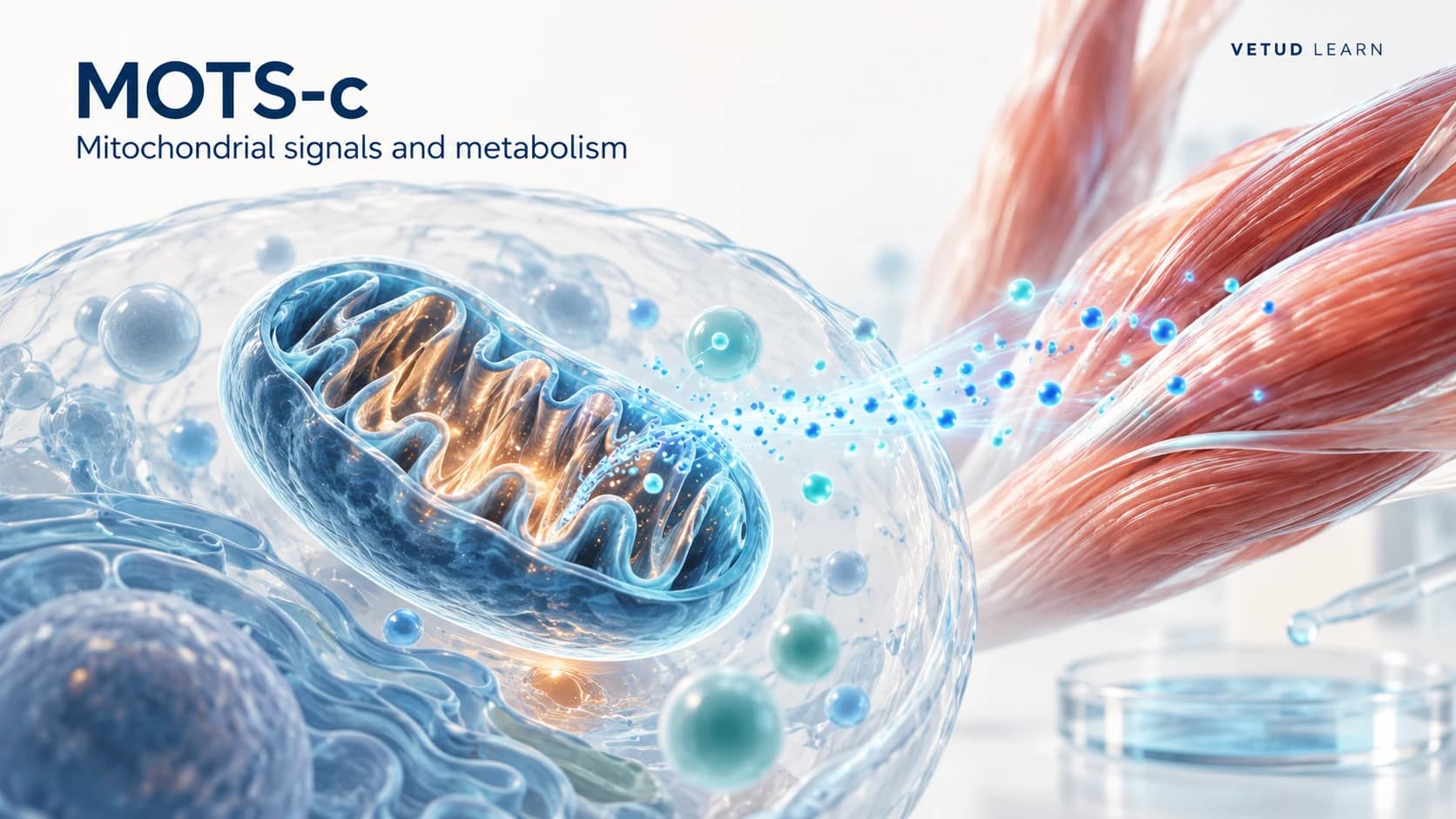
A peptide made inside mitochondria, the cell’s power plants, and studied for metabolism.
At a glance
Not approved. Studied mainly in mice.
What is MOTS-c?
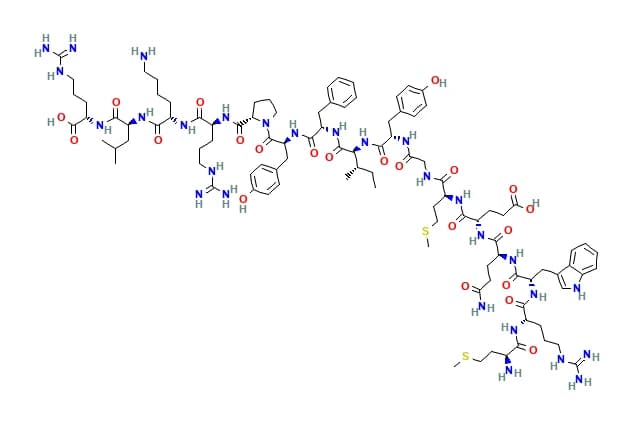
MOTS-c is a 16-amino-acid peptide made from the DNA inside mitochondria, the tiny power plants in our cells. It was discovered in 2015.
How does MOTS-c work?
In mice it helps muscles use sugar for energy, and it seems to act as a signal of exercise and energy balance.
What does the research show?
- In the 2015 discovery study, MOTS-c protected mice on a high-fat diet from weight gain and insulin resistance.
- Human trials are lacking. FDA advisers reviewed it in July 2026 (for obesity and osteoporosis) as a possible compounding ingredient.
Known risks and side effects
- Its effects and safety in people are unknown.
Is MOTS-c approved?
Mostly studied in cells and animals, with little or no proper testing in people.
Not approved. Studied mainly in mice.
From the community
Watch: MOTS-c and related science
Start with the compound discussion, then use the background lesson to understand its biology. Each card explains its connection. Recordings may predate later findings or regulatory changes.
Pain Specialists Australia
BPC-157 for pain: what the evidence actually says
Two pain specialists weigh the evidence and the risks of BPC-157, TB-500, ARA-290, MOTS-c and GHK-Cu, including contamination of products sold online.
Dr Nick Christelis and Dr Bradley Lewinsohn, specialist pain medicine physicians (FFPMANZCA)
Discusses the compound
Two specialist pain physicians review the evidence for BPC-157 (from 16:08), TB-500 (24:04), ARA-290 (4:54), MOTS-c (25:51) and GHK-Cu (24:56), and the risks of unregulated products.
U.S. Food and Drug Administration
FDA peptide compounding meeting: July 23, 2026
Full meeting covering BPC-157, KPV, TB-500 and MOTS-c. Advisory discussion is not drug approval.
Official FDA advisory committee recording
Official regulatory recording
The original July 23, 2026 FDA discussion of BPC-157, KPV, TB-500 and MOTS-c; it documents an advisory review.
Khan Academy
Mitochondria: structure and cellular energy
A foundation for reading mitochondrial research. It does not demonstrate a benefit from any experimental compound.
Biology education
Related biology
Background on mitochondria and cellular energy for understanding MOTS-c. It does not demonstrate benefits of this compound or formulation.
Sources and references
- The mitochondrial-derived peptide MOTS-c promotes metabolic homeostasis and reduces obesity and insulin resistanceLee et al. · Cell Metabolism · 2015
- FDA Pharmacy Compounding Advisory Committee, July 23–24, 2026US Food and Drug Administration · meeting page
VETUD Learn explains published research in plain language. It is general information, not medical advice. Talk to a doctor before starting, stopping or changing any treatment.
In the research shop
Check the catalog for related laboratory research materials. These products are separate from the approved medicines and clinical trial formulations discussed here.
Checking regional availability…