
Alpha-MSH analogue (afamelanotide) studied in pigmentation research.
Pen kit box / Dual-chamber vial / Vial · 10 mg
From$39.20regular price $49.00
AvailableAll Products listed on this site are for research purposes only
VTD-D12 · Pigmentation
Tyrosinase-blocking peptide studied in skin-pigmentation research.
$200.00
Regular price $250.00
20% offVial · 200 mg
Free standard shipping on orders over $200
In the box · Vial
One sealed glass vial of research material. No diluent, pen or needles are included. For laboratory research only; not for human or veterinary use.
All Products listed on this site are for research purposes only. All products sold on this website are intended for research and identification purposes only. These products are not intended for human dosing, injection, or ingestion.
A skin-care peptide that slows the making of melanin, studied for dark patches such as melasma.
A cosmetic ingredient used in skin-brightening creams and serums. Not approved as a medicine. Its use other than on the skin hasn’t been studied in people.
Step 1 of 5: Cells
Step 2 of 5: Animals
Step 3 of 5: Small human studies
Step 4 of 5: Large trials
Step 5 of 5: Approved medicine
Decapeptide-12 is a lab-made chain of 10 amino acids. Researchers at the Elixir Institute of Regenerative Medicine in California found it in 2009 by screening short peptides for ones that block the enzyme that makes skin pigment. It became the active ingredient of Lumixyl, a skin-brightening cream, as a gentler alternative to hydroquinone, the standard treatment for dark patches.
Skin color comes from melanin, a pigment made inside pigment cells (melanocytes) by an enzyme called tyrosinase. Decapeptide-12 attaches to tyrosinase and competes with tyrosine, the raw material the enzyme normally works on, so less melanin is made. In lab tests it did this without harming the pigment cells, unlike hydroquinone, which works partly by damaging them.
These results come from published studies of Decapeptide-12, not from this research material.
Open study · 33 Hispanic women with mild-to-moderate melasma · a routine of decapeptide-12 cream, an antioxidant cleanser, a glycolic-acid lotion and sunscreen · no comparison group
60%
Scores fell steadily: 36% after 4 weeks, 46% after 8 and 54% after 12. Glycolic acid and daily sunscreen also fade melasma, and there was no comparison group, so how much came from the peptide is unknown.
Source: Open-label evaluation of a novel skin brightening system containing 0.01% decapeptide-12 in combination with 20% buffered glycolic acid for the treatment of mild to moderate facial melasma · Ramírez et al. · Journal of Drugs in Dermatology · 2013
2009 lab study · human pigment cells (melanocytes) grown in a dish
43%
The cells kept growing normally, so the drop came from slower melanin production, not from harmed cells.
Source: Short-sequence oligopeptides with inhibitory activity against mushroom and human tyrosinase · Abu Ubeid et al. · Journal of Investigative Dermatology · 2009
2009 lab study · mushroom tyrosinase, the standard test version of the enzyme
Decapeptide-12
Hydroquinone
On the human enzyme the effect was weaker: the two best peptides in the study cut its activity by 25–35%.
Source: Short-sequence oligopeptides with inhibitory activity against mushroom and human tyrosinase · Abu Ubeid et al. · Journal of Investigative Dermatology · 2009
Short-sequence oligopeptides with inhibitory activity against mushroom and human tyrosinase ↗
Abu Ubeid et al. · Journal of Investigative Dermatology · 2009
A split-face, double-blind, randomized and placebo-controlled pilot evaluation of a novel oligopeptide for the treatment of recalcitrant melasma ↗
Hantash & Jimenez · Journal of Drugs in Dermatology · 2009
Open-label evaluation of a novel skin brightening system containing 0.01% decapeptide-12 in combination with 20% buffered glycolic acid for the treatment of mild to moderate facial melasma ↗
Ramírez et al. · Journal of Drugs in Dermatology · 2013
Open-label evaluation of the skin-brightening efficacy of a skin-brightening system using decapeptide-12 ↗
Kassim, Hussain & Goldberg · Journal of Cosmetic and Laser Therapy · 2012
Enhanced skin retention and permeation of a novel peptide via structural modification, chemical enhancement, and microneedles ↗
Chen et al. · International Journal of Pharmaceutics · 2021
Scientific background concerns the named molecule. Batch composition and analytical results must be established from the product documentation. All products sold on this website are intended for research and identification purposes only. These products are not intended for human dosing, injection, or ingestion.
SKUVTD-D12-VIAL-200MG
Follow the storage conditions supplied on the batch label and certificate.
Keep the material in its original, sealed packaging. Follow your laboratory’s handling procedures and the supplied product documentation.
Refer to the lot-specific expiry date and stability documentation. Shelf life should not be inferred from the product name alone.
For solvent compatibility or preparation specifications, request the manufacturer’s batch documentation. Research protocols should be established by qualified laboratory personnel.
Related
Alpha-MSH analogue (afamelanotide) studied in pigmentation research.
Pen kit box / Dual-chamber vial / Vial · 10 mg
From$39.20regular price $49.00
AvailableAll Products listed on this site are for research purposes only
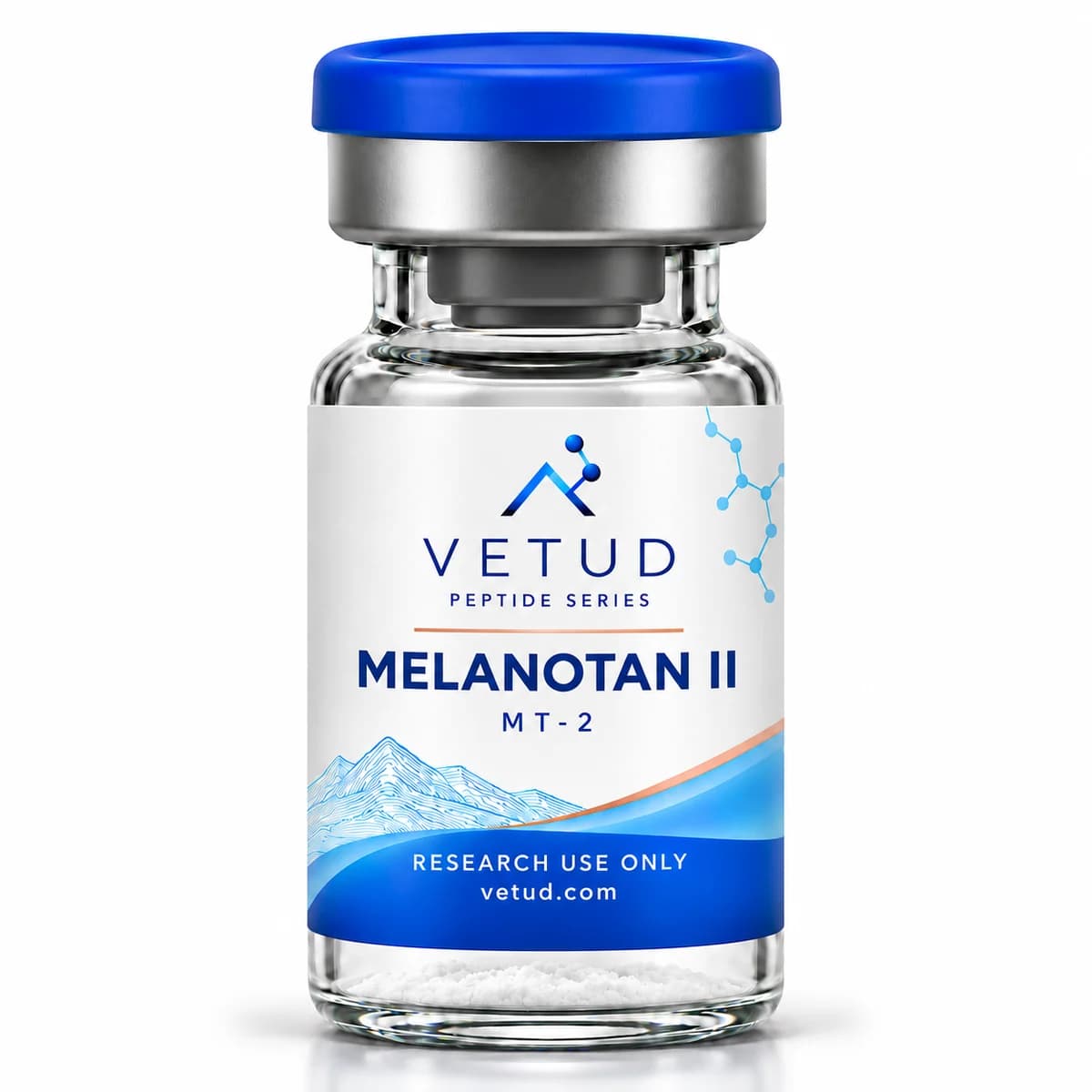
Synthetic melanocortin agonist studied in pigmentation research.
Pen kit box / Dual-chamber vial / Vial · 10 mg
From$33.60regular price $42.00
AvailableAll Products listed on this site are for research purposes only
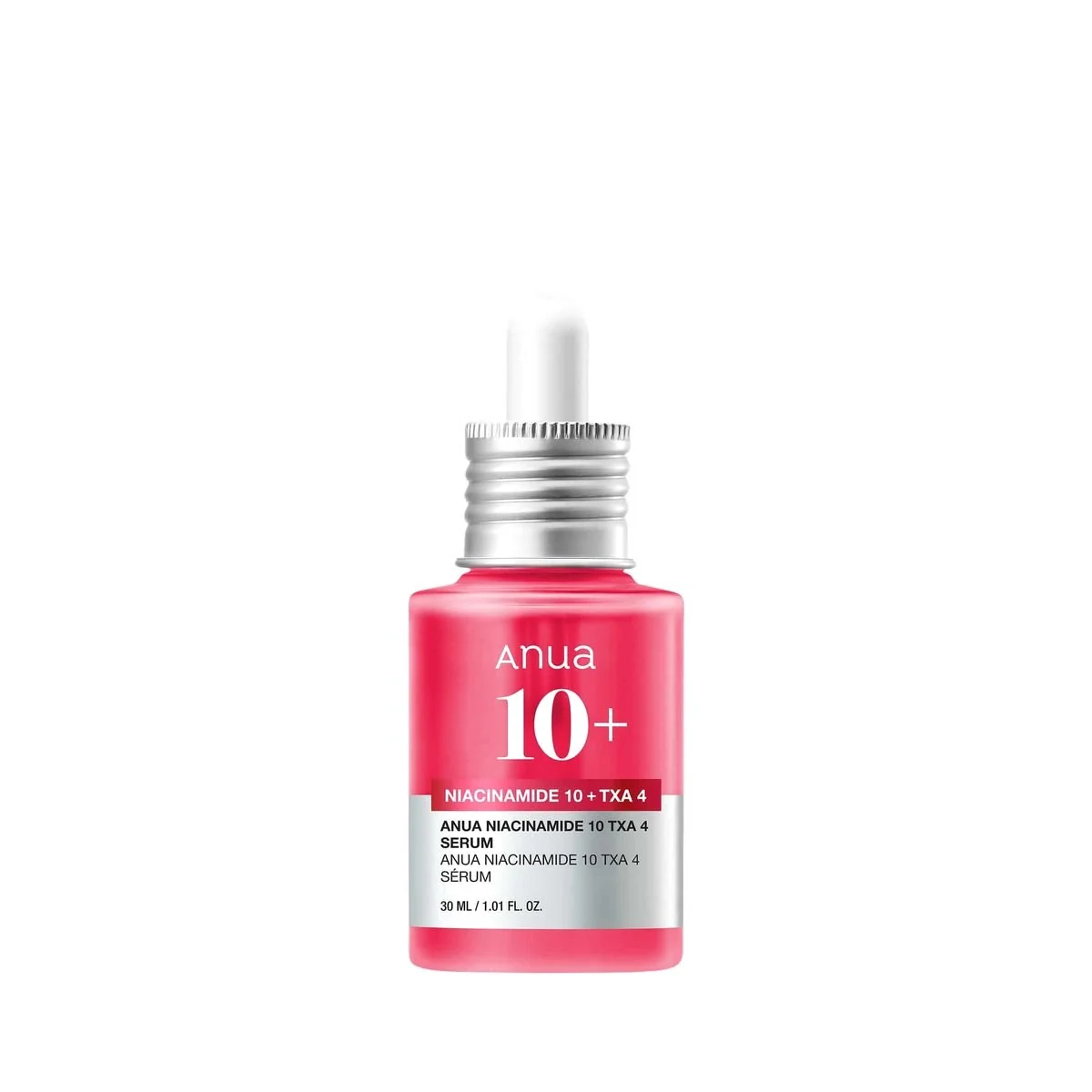
Brightening serum with 10% niacinamide and 4% tranexamic acid, made for dark spots and uneven tone.
Serum · 30 ml
$25.00
AvailableCosmetic product for external use only
Education
Plain-language guides, news about new studies and selected videos from doctors and researchers. Published studies are about the named compound; they don't establish the safety or performance of this research product.
Pigmentation
Lumixyl peptide
A skin-care peptide that slows the making of melanin, studied for dark patches such as melasma.

GuideReading the evidence
A promising mechanism, an animal experiment and a human trial answer different questions. Here is how to tell which kind of evidence you are reading.

GuideReading the evidence
A percentage means little without its denominator. Learn why changes in body weight, a fat deposit and a measurement in rats belong in different comparisons.
Dr Dray
A dermatologist on why tanning injections worry skin doctors.
Andrea Suarez, MD, dermatologist
Related biology
Background on related biology for understanding Decapeptide-12. It does not demonstrate benefits of this compound or formulation.
National Institute of Mental Health
Why an experimental treatment can involve uncertainty even when its scientific rationale sounds promising.
NIMH · US National Institutes of Health
Research skills
Helps you judge the study design or uncertainty in Decapeptide-12 research; it is not a trial of the compound.