Two more wins for retatrutide, in people with diabetes and heart disease
New phase 3 results show strong weight loss in people with type 2 diabetes or heart disease. Lilly plans to apply for US approval by early 2027.
The study at a glance
- TRIUMPH-2
- 1,152 adults with type 2 diabetes: up to 20.8% weight loss vs 4.0% on placebo
- TRIUMPH-3
- 1,949 adults with heart disease and a BMI of 35 or more: up to 22.6% vs 3.2%
- How long
- 80 weeks, once-weekly injections
- Blood sugar
- HbA1c (average blood sugar) down by up to 1.6 points, from 7.7%
- Next step
- US application planned by early 2027
The research, explained
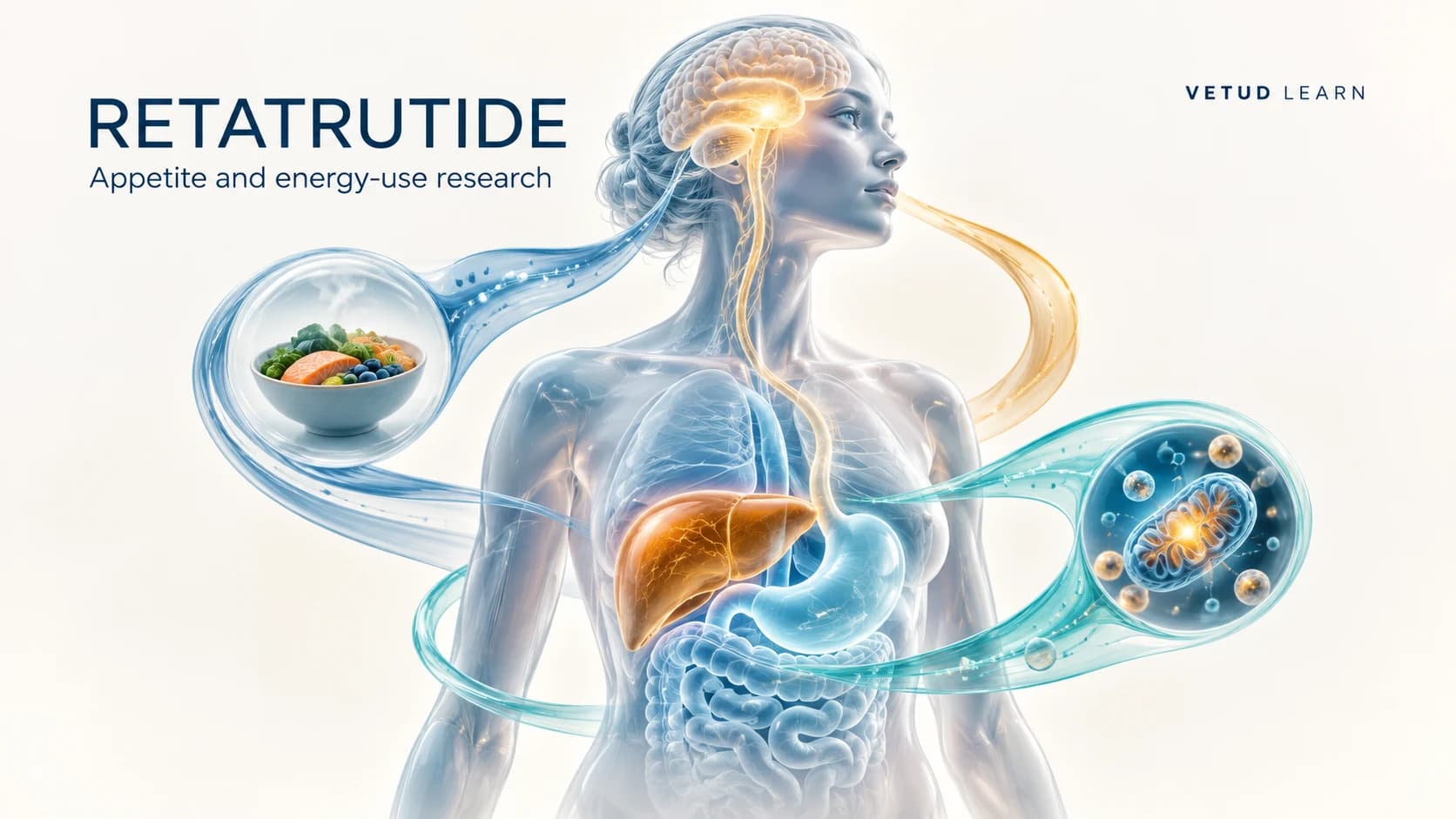
Retatrutide is Eli Lilly’s experimental “triple” hormone medicine. Two months after its first big phase 3 trial, the company reported results from two more.
TRIUMPH-2 included 1,152 adults with type 2 diabetes and overweight. After 80 weeks, they lost 12.7%, 19.1% and 20.8% of their body weight on the 4, 9 and 12 mg doses, compared with 4.0% on placebo. HbA1c, a measure of average blood sugar, fell by up to 1.6 points from a starting level of 7.7%.
TRIUMPH-3 included 1,949 adults with a BMI of 35 or more and heart disease. They lost 21.6% on 9 mg and 22.6% on 12 mg, compared with 3.2% on placebo.
People with type 2 diabetes usually lose less weight on these medicines than people without it, so these results stand out.
With these results, Lilly says it has the data it needs to apply for approval around the world.
The retatrutide profile covers the earlier trials. Retatrutide research material is listed in the research shop; it is not Lilly’s investigational medicine.
What does this mean?
If approved, retatrutide would give doctors a third generation of hormone-based weight-loss medicines, with results that may suit people who don’t lose enough weight on today’s options.
What don’t we know yet?
These are company-reported results that haven’t yet been published in full. Long-term safety, and how much weight comes back after stopping, are still unknown.
Watch and learn
Physician explanations of retatrutide, paired with a research-methods lesson. The article’s original sources identify the exact TRIUMPH-2 and TRIUMPH-3 results.
Dr Brad Stanfield
Retatrutide: interpreting the newer trial results
A physician reviews retatrutide results. Read the linked trial reports for the population, follow-up and analysis used.
Brad Stanfield, MBChB · general practitioner
Discusses the compound
Discusses Retatrutide, Tirzepatide, Semaglutide or its clinical context. Read the original studies linked here for the exact formulation, population and outcomes.
Dr Brad Stanfield
Retatrutide weight-loss truth
A GP reads the retatrutide trial data and what it does and doesn’t show.
Brad Stanfield, MBChB, general practitioner
Discusses the compound
Discusses Retatrutide, Tirzepatide, Semaglutide or its clinical context. Read the original studies linked here for the exact formulation, population and outcomes.
National Institute of Mental Health
Different types of clinical research
An introduction to the different questions and designs used in studies involving people.
NIMH · US National Institutes of Health
Research skills
Helps you judge the study design or uncertainty in Retatrutide, Tirzepatide, Semaglutide research; it is not a trial of the compound.
Sources and references
- TRIUMPH-2 and TRIUMPH-3: phase 3 retatrutide topline resultsEli Lilly and Company · original sponsor announcement · July 23, 2026
VETUD Learn explains published research in plain language. It is general information, not medical advice. Talk to a doctor before starting, stopping or changing any treatment.
In the research shop
Check the catalog for related laboratory research materials. These products are separate from the approved medicines and clinical trial formulations discussed here.
Checking regional availability…